You are here:HOME > PRODUCTS > Rice Mill Plant > 500 Ton Rice Mill Production Line: VMTCP-500 Specifications
500 Ton Rice Mill Production Line: VMTCP-500 Specifications
Complete rice milling plant is the process that helps to detach hulls and bran's from paddy to produce polished rice. The objective of a rice milling system is to remove the husk and the bran layers from paddy to produce white rice kernels that are sufficiently milled free of impurities and contain a minimum number of broken kernels.
Quick answer: The VOSON VMTCP-500 is presented as a 500 ton-per-day automatic rice mill production line based on 24-hour operation, with a published power range of 500-1500 kW. Its stated process covers paddy intake, cleaning, destoning, husking, paddy separation, whitening, polishing, grading, optical color sorting and packing. At this scale, the approved proposal should define machine quantities, storage buffers, utility demand, building interfaces and a measurable acceptance test rather than rely on a single daily-capacity figure.
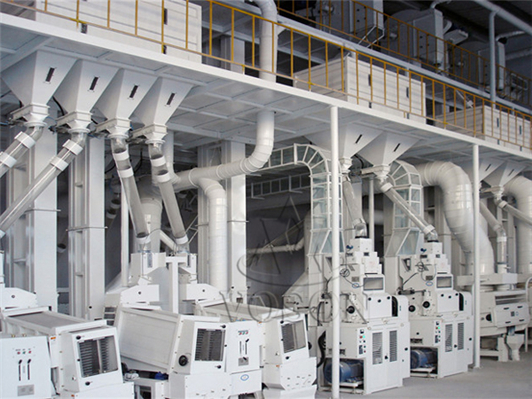
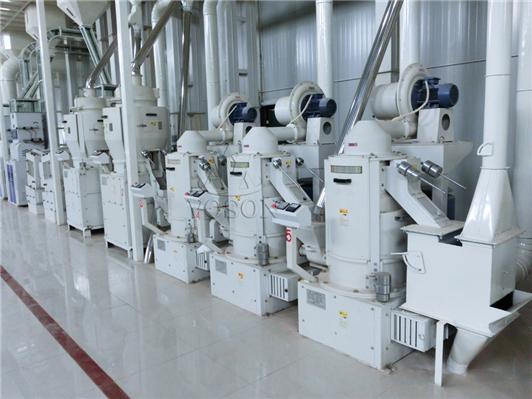
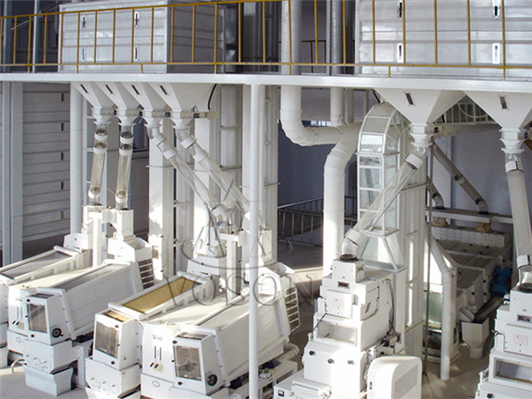
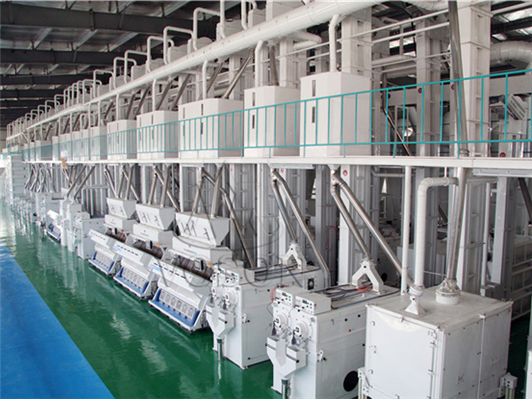
VMTCP-500 rice mill production line. The final arrangement depends on paddy condition, operating hours, finished-rice grades, storage plan, packing scope and site constraints.
VMTCP-500 published specifications
Planning item
Published VMTCP-500 value
What the contract should define
Nominal capacity
500 tons per day over 24 hours
Whether capacity means paddy input, finished-rice output or another agreed basis.
Arithmetic hourly average
About 20.83 tons per hour when 500 tons are divided across 24 hours
Effective operating hours, design margin, maintenance and product changeover allowance.
Published power range
500-1500 kW
Final motor list, connected load, simultaneous demand, voltage and transformer duty.
Process boundary
Raw-paddy feeding through finished-rice packing
Machine trains, elevators, bins, platforms, aspiration, air system and control scope.
Product finishing
Length grading, thickness grading, color sorting and packing are stated
Required rice fractions, defect limits, bag formats, reject handling and automation level.
Structure
Steel-frame or building-supported arrangement
Layout, equipment loads, access, local construction rules and supply responsibility.
Capacity note: Dividing 500 tons by 24 hours gives an arithmetic average, not a separate throughput guarantee. A valid performance test must state paddy variety, moisture, impurity level, input basis, test duration, allowed interruptions and the finished-rice quality being produced.
500 TPD rice milling process
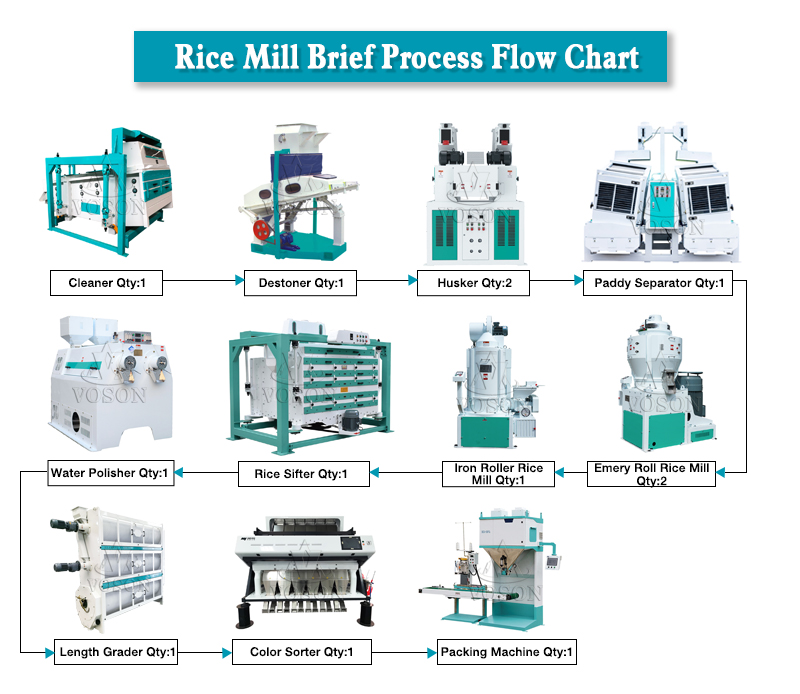
The published process sequence is raw-material feeding, cleaning and destoning, husking, paddy separation, rice milling, polishing, grading, color sorting and packing. A plant of this size may use parallel machines or process trains to reach the required flow and provide operating flexibility. The quotation should therefore list every model and quantity, not only the line name.
Bag sizes, weighing accuracy, packing speed, woven or vacuum bags and palletizing scope.
Define capacity from paddy intake to finished rice
Begin with representative raw-material data. State paddy variety, moisture range, foreign material, immature grain, storage history and seasonal variation. These factors affect cleaning load, husking behavior, milling recovery and final appearance.
Next define the marketable products: head-rice target, acceptable broken-rice percentages, whiteness, polishing level, grading fractions, color defects and package sizes. Length and thickness graders should be configured for those commercial grades. Reject and by-product streams, including husk, bran and broken rice, also need a handling plan.
Operating hours must be realistic. If the factory has fewer than 24 effective production hours after cleaning, maintenance and changeovers, the required hourly flow rises above 20.83 t/h. Storage bins and conveyors should buffer normal variations without hiding an undersized bottleneck.
Power, compressed air, water and dust systems
The published 500-1500 kW range is a preliminary planning envelope. Request a motor and load schedule covering each process machine, elevator, conveyor, fan, compressor, color sorter, packer and auxiliary system. The electrical engineer should distinguish connected load, normal simultaneous load and startup demand.
Confirm site voltage, frequency, transformer capacity, switchgear, power-factor correction, cable boundary and backup-power philosophy. Optical sorters and pneumatic equipment require stable, clean compressed air. Mist polishing requires controlled water. Cleaning, conveying, husking and whitening require a properly balanced aspiration and dust-collection system.
Layout, storage and civil interfaces
A 500 TPD plant needs more than a compact equipment drawing. The layout should coordinate vehicle receiving, paddy storage, process floors, finished-rice bins, packing, warehouse movement, by-product handling, laboratory access and maintenance routes.
Before construction, request dimensioned plans and elevations showing equipment loads, pits, floor openings, platforms, stairs, handrails and removal clearances. Confirm whether the supplier provides the steel structure, bins, ducts and electrical panels or only machinery data for a local contractor. Local structural, electrical, fire and worker-safety rules remain part of the project.
Automation, staffing and operating resilience
PLC control can coordinate feeding, interlocks, alarms and controlled shutdowns. Ask for the operating philosophy, control-panel list, sensor scope, manual modes and procedures for restarting after a fault. Networked controls should not prevent safe local operation of essential equipment.
Automation reduces repetitive work but does not define total staffing. The factory still needs intake control, laboratory testing, packing, warehouse handling, maintenance, cleaning, utilities and supervision. Buyers should also identify critical spare parts and consider whether parallel equipment is needed at stages where a single failure would stop the entire line.
Quotation and performance acceptance checklist
Required document
Minimum detail
Buyer decision supported
Process and mass-flow diagram
Input, product, return, reject and by-product streams
Whether all commercial products and waste flows are covered.
Equipment schedule
Model, quantity, rated flow, motor and material-contact construction
Technical comparison and identification of bottlenecks.
Layout and civil loads
Dimensions, elevations, access, pits, openings and point loads
Building feasibility, installation planning and maintenance access.
Utility schedule
Power, air, water, ventilation and dust collection
Transformer, compressor and infrastructure sizing.
Scope matrix
Freight, unloading, erection, wiring, training and spare parts
Complete project cost and responsibility allocation.
Acceptance protocol
Paddy basis, duration, throughput, recovery, grades, energy and downtime
Measurable evidence that the installed line meets the agreement.
Use the rice mill project cost checklist to budget machinery, civil works, utilities, freight and commissioning. The Rice Mill Project Planning Hub organizes the wider purchasing workflow. For a proposal, send paddy data, finished-rice targets, operating hours, packing formats, voltage, destination and site drawings through Contact.
500 ton rice mill production line FAQ
What is the published capacity of the VMTCP-500?
The published basis is 500 tons per day over 24 hours. The quotation should state whether this means paddy input or finished-rice output.
What hourly rate equals 500 tons per day?
Dividing 500 tons by 24 hours gives about 20.83 tons per hour. The equipment needs additional margin when effective operating time is shorter.
How much power does the VMTCP-500 require?
The published planning range is 500-1500 kW. Transformer and electrical design must use the final motor and simultaneous-load schedule.
Are length grading and color sorting included?
They are part of the published process description. The quotation must define grader quantity, color-sorter channels, defect criteria and product grades.
Can the line use vacuum and woven-bag packing?
The published scope allows common woven-bag and vacuum-packing options. Bag sizes, speed, accuracy and downstream handling should be specified.
What should the acceptance test measure?
Record paddy condition, input flow, finished output, milling recovery, head rice, quality grades, power demand, test duration and downtime.