
Rice Mill Machinery Selection Guide: Capacity, Process and Quote Scope
If you are in the rice milling industry, having the right equipment is crucial to ensuring the quality and quantity of your rice production. With so many options available on the market, it can be overwhelming to choose the perfect rice mill machinery. In this guide, we’ll cover the key factors to consider when selecting the right equipment for your rice milling needs.
Factors to Consider when Choosing Rice Mill Machinery
- Capacity: One of the most important factors to consider is the capacity of the machinery. It is important to choose a machine that can handle the amount of rice you need to mill daily.
- Efficiency: Efficiency is key when it comes to rice milling. Choose equipment that can produce high-quality rice while minimizing waste and energy consumption.
- Durability: The durability of the equipment is also a critical factor. You want to choose machinery that can withstand heavy use and the wear and tear of everyday operations.
- Ease of use: The equipment should be easy to operate and maintain. A machine that is difficult to use or maintain can result in downtime and increased operating costs.
- Cost: Finally, the cost of the equipment is an important consideration. Choose machinery that fits within your budget, but don't compromise on quality.
Types
There are several types of rice mill machinery available on the market, each with its own advantages and disadvantages.
- Traditional Rice Milling Machines: These machines are the most commonly used in the industry. They are simple in design and operate using a combination of pressure, friction, and abrasion.
- Rubber Roll Huskers: These machines are designed to remove the husk from the paddy using a rubber roll. They are more efficient than traditional milling machines and produce high-quality rice.
- Paddy Separators: Paddy separators are used to separate the paddy from the rice. They are critical in the rice milling process and can significantly increase efficiency.
- Color Sorters: Color sorters are used to remove impurities and defective grains from the rice. They use advanced technology to sort the rice by color, size, and shape.
Conclusion
Selecting the perfect rice mill machinery can be a daunting task, but it is essential to the success of your business. By considering the factors mentioned above and understanding the different types of machinery available, you can choose the equipment that best fits your needs. Remember to prioritize quality, efficiency, and durability when making your selection, and always choose a reputable supplier. With the right machinery, you can produce high-quality rice that meets the demands of your customers and helps your business thrive.
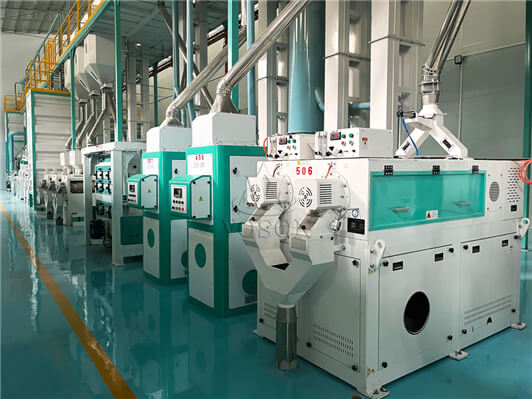
Choosing rice mill machinery: compare the full scope
Choosing rice mill machinery starts with paddy condition and finished-rice quality. A supplier quote should explain how each machine supports the process flow, not just list model names. Buyers should compare capacity basis, yield assumptions, automation, power, layout, spare parts, installation and acceptance testing.
| Quote item | What to compare | Buyer question |
|---|---|---|
| Process flow | Cleaner, destoner, huller, separator, whitener, polisher, grader, sorter and packing. | Is any required process step missing? |
| Capacity basis | Paddy input, finished-rice output, TPH or TPD and shifts. | Are suppliers quoting the same capacity? |
| Quality target | Yield, broken rice, whiteness, polish, sorting and bagging. | Does the line match the selling market? |
| Utilities | Power, air, water, dust collection and backup requirements. | Can the site support the load? |
| Service | Installation, training, remote support, warranty and spare parts. | Who handles startup and maintenance? |
| Acceptance | Trial material, test duration, output, yield and signed record. | How will performance be proven? |
Useful references before buying machinery
Review types of rice milling machines, rice mill machinery uses and China rice mill supplier checklist. For investment planning, compare the rice mill project cost checklist.
Send paddy variety, capacity, quality target, site layout, voltage, packing method and destination through Contact for a machinery recommendation.
Rice mill machinery selection FAQ
Should buyers choose the cheapest machinery?
No. Compare process scope, yield, quality, service, spare parts and total installed cost.
What information should be sent to a supplier?
Send paddy sample details, capacity, quality target, voltage, building size, packing needs and budget boundary.
How can two quotes be compared fairly?
Use one common equipment list, capacity basis, utility scope, service boundary and acceptance test method.
What should be included after delivery?
Installation guidance, training, trial run, spare parts, manuals and warranty support should be clear.