
Rice Milling Machine Cost: Machinery-Only Quote Factors
If you're planning to start a rice milling business, one of the essential machines you need is a rice milling machine. However, purchasing a rice milling machine can be a significant investment, and you want to make sure you're making the right decision.Here are some factors to consider when determining the cost of a rice milling machine.
Type of Rice Milling Machine
The type of rice milling machine you choose will significantly affect its cost. There are different types of rice milling machines in the market, including the vertical type, the horizontal type, and the combined type. Each of these types has its unique features and advantages. The vertical type is the most affordable, while the combined type is the most expensive.
Capacity
The capacity of the rice milling machine you choose is also crucial in determining its cost. The capacity refers to the amount of rice the machine can process per hour. A machine with a higher capacity will be more expensive than one with a lower capacity.
Brand and Quality
The brand and quality of the rice milling machine also affect its cost. Some brands are more popular than others, and they may come with a higher price tag. However, it's essential to prioritize quality over brand when choosing a rice milling machine. A high-quality machine will last longer and require less maintenance, saving you money in the long run.
Installation and Maintenance Costs
You should also consider the installation and maintenance costs of the rice milling machine. Some suppliers offer installation services, while others do not. You should also factor in the cost of maintenance and repair services when choosing a machine.
Location
Your location can also affect the cost of the rice milling machine. If you're purchasing from a supplier within your area, the cost may be lower than if you're importing the machine from another country. Importing a machine may also come with additional costs such as customs duty, shipping, and handling fees.
Conclusion
The a rice milling machine is a significant investment, and it's crucial to consider various factors before making a purchase. By considering the type of machine, capacity, brand and quality, installation and maintenance costs, and location, you can make an informed decision that will benefit your rice milling business in the long run.
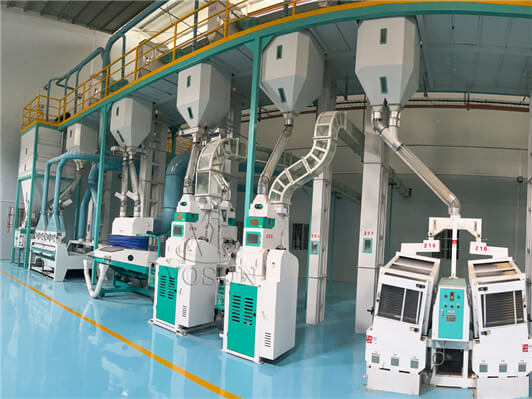
Rice milling machine cost: compare the machine, not the whole project
This page should answer machinery-only cost questions. A single machine price is not the same as a complete plant budget. Buyers should compare the machine's process role, rated capacity, motor power, material contact parts, wear parts, controls, warranty, spare-parts supply, and service support.
| Machine type | Cost driver | What to ask |
|---|---|---|
| Cleaner and destoner | Screen area, air system, dust outlet, and impurity level. | What impurities can be removed and at what capacity? |
| Huller or sheller | Rubber roller size, feed control, aspiration, and hulling rate. | What roller life and broken-rice level are expected? |
| Paddy separator | Separation deck, adjustment, return flow, and automation. | How stable is separation with mixed paddy? |
| Whitener and polisher | Emery or iron roller, air control, bran removal, and grain temperature. | What whiteness, gloss, and broken-rice results are guaranteed? |
| Grader, sorter, packing | Accuracy, capacity balance, compressor, bag size, and controls. | Does the downstream capacity match the mill line? |
Review machine examples such as rubber roller huller, paddy separator, and rice polishing machine. If you need the full installed investment, use the rice mill project cost guide instead.
Rice milling machine cost FAQ
Why can two machines with similar capacity have different prices?
Material quality, motor brand, controls, precision, wear parts, safety design, service, and warranty can all differ.
Should a buyer choose the cheapest machine?
Not without checking yield, broken rice, downtime, spare parts, and compatibility with the rest of the line.
Which spare parts affect operating cost?
Rubber rollers, screens, emery parts, belts, bearings, sensors, packing parts, and air-system components are common examples.