
Modern Rice Milling Machine: Features, Process and Buyer Guide
Quick answer: A modern rice milling machine is not one universal machine and does not automatically mean a fully automated plant. It is a connected milling system that uses controlled cleaning, husking, paddy separation, whitening, polishing, grading, sorting, conveying and packing to meet a defined quality and capacity target. Buyers should judge it from process evidence, line balance, control scope, maintainability and acceptance results rather than from labels such as modern, smart or automatic.
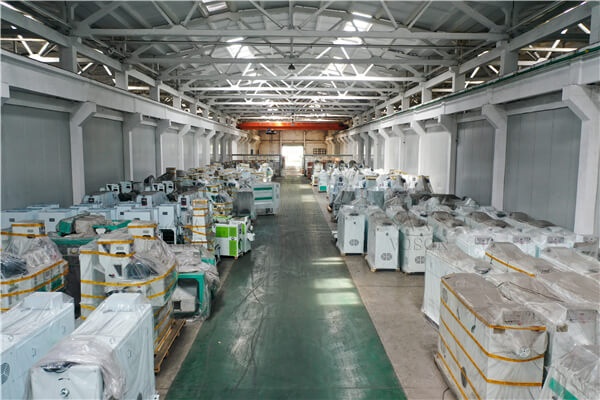
What makes a rice milling machine modern?
Modernization means improving the way material, settings, quality checks and operating information move through the plant. The useful features depend on the buyer's paddy, finished-rice market, operating hours, labor, utilities and service capability. A compact mill with stable feeding and measurable quality control can be a better investment than a complex line that local operators cannot maintain.
The IRRI commercial milling reference describes multi-stage cleaning, husking, separation, whitening, polishing, grading and packing. A modern project builds on this sequence with balanced capacities, safer controls, better sampling points and a layout that supports operation and maintenance.
Modern rice milling process stages
| Process stage | Modern feature to compare | Evidence to request |
|---|---|---|
| Cleaning | Stable feeding, screen selection, aspiration and stone removal | Input impurity range, removal target, rated flow and dust boundary. |
| Husking | Controlled feed, roller pressure, aspiration and return handling | Hulling result, roller specification, broken-rice check and wear plan. |
| Paddy separation | Adjustable deck settings and balanced return flow | Unhusked paddy in brown rice, return load and adjustment method. |
| Whitening and polishing | Multiple controlled passes, airflow and grain-temperature checks | Milling degree, recovery basis, broken fractions and temperature records. |
| Grading and sorting | Defined grade fractions, visible-defect detection and reject handling | Sample standard, grade schedule, sorter throughput and reject rate. |
| Packing | Recipe control, weighing records and product-change procedures | Bag range, weighing tolerance, speed, sealing and traceability scope. |
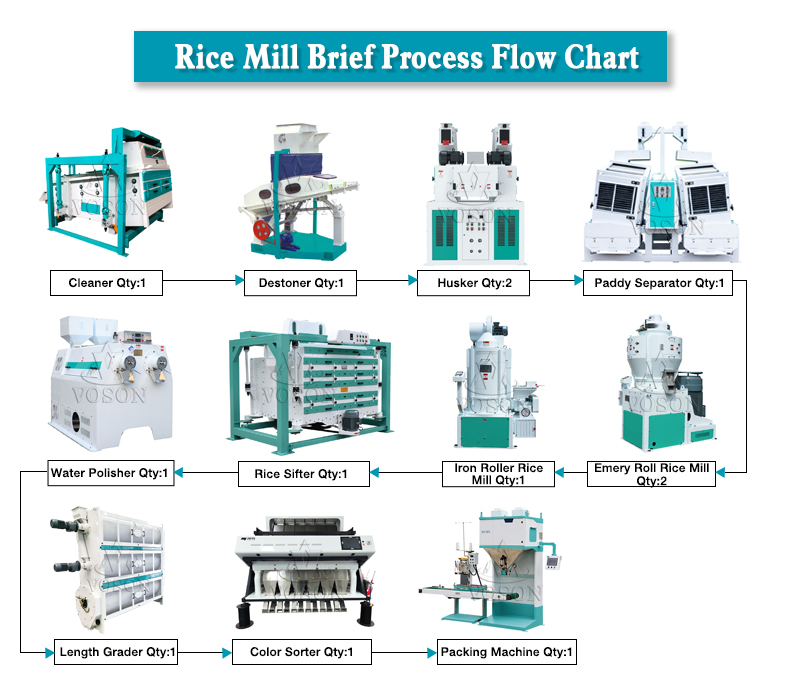
Review the complete rice processing unit workflow when checking how these stages connect. Modern equipment still fails when elevators, bins, return streams or packing are smaller than the main milling section.
Cleaning and paddy preparation
Good milling begins before the whitener. A vibrating cleaning machine, aspiration, magnets and destoning should be selected from actual paddy impurity and flow. Ask where samples will be taken and how operators confirm that stones, straw, dust and unfilled grain are being removed.
Raw-paddy moisture and variety affect husking and breakage. Modern controls cannot correct poor drying, mixed varieties or unstable storage by themselves. The buyer and supplier should agree on the paddy condition used for performance tests.
Husking and paddy separation
The rubber roller huller should have controllable feed, practical roller adjustment and enough aspiration to remove husk. The double paddy separator must send brown rice forward while returning unhusked paddy without overloading the huller and elevators.
Request measurements for hulling result, paddy remaining in brown rice and brown rice in the return stream. These values are more useful than a general claim of high efficiency because they show whether adjustment and line balance are working.
Controlled whitening and polishing
A modern vertical rice mill or multi-pass whitening arrangement should remove bran to the required milling degree without unnecessary pressure or heat. Feed rate, airflow, screen condition, abrasive condition and paddy moisture all influence the result.
A rice polisher is selected from the target appearance and market standard. Ask the supplier to define water or mist control, air demand, contact parts, cleaning procedure and the quality comparison used during the trial. More polishing is not automatically better if it reduces recovery or creates unstable grain temperature.
Grading, color sorting and product recipes
The rice grading machine should separate the broken-rice fractions required by the sales specification. A rice color sorter is configured from visible defects, throughput, reject tolerance, compressed-air quality and the number of product recipes.
Ask for representative samples and a written defect definition. Camera count, channel count or software labels are not enough without evidence that the machine can process the buyer's rice at the required flow and acceptance standard.
Automation versus useful process control
Automation can regulate feed, monitor bin levels, protect motors, store recipes and alert operators to blockage or overload. It does not replace sampling, cleaning, maintenance or trained decisions. Define which settings are automatic, which remain manual and how the plant responds after an alarm or power interruption.
The dedicated auto rice mill machinery guide explains the automation decision in more detail. This page focuses on the broader modern-milling system, which can include selected automation without requiring every process to be fully automatic.
Line balance and bottleneck control
Every machine, elevator, conveyor, bin and packer should be checked on the same material basis. Catalog maximum capacity should not be treated as normal sustained flow. Return paddy, multiple grades and bag changes can create loads that do not appear in the headline capacity.
Ask the supplier to identify the expected bottleneck, normal operating load and margin used for transfer equipment. The automatic packing machine deserves special attention because a slow packing section can stop an otherwise capable mill.
Quality and operating records
Modernization is valuable when it produces reliable evidence. Set sampling points after cleaning, husking, separation, whitening, grading and sorting. Record paddy moisture and impurity, hulling result, return flow, milling recovery, head rice, broken fractions, visible defects, grain temperature, motor load, packing accuracy and downtime.
Use calibrated tools, agreed definitions and signed trial records. Consistent operating data helps separate raw-material variation from machine settings and supports preventive maintenance, operator training and future expansion decisions.
New line or retrofit?
A retrofit may be appropriate when the building, core machines and material route remain serviceable. Common targets include better cleaning, more stable separation, an additional whitening or polishing pass, improved grading, color sorting, packing, aspiration or controls.
| Decision area | Retrofit question | New-line question |
|---|---|---|
| Capacity | Can existing elevators, bins and utilities carry the new flow? | What input, product grades and operating schedule define the line? |
| Quality | Which measured stage is causing breakage, defects or inconsistency? | Which finished-rice specification drives the full process? |
| Layout | Is there safe space for added machines and maintenance? | Can material, people and by-products follow separate routes? |
| Controls | Can new sensors and panels integrate with existing motors? | Which alarms, recipes and records are required from startup? |
| Service | Are old and new spare parts available together? | What training, warranty and remote support are included? |
Compare the different types of rice milling machines before deciding whether to replace, add or reorganize equipment. A retrofit should solve a measured restriction rather than add isolated machines without a process plan.
Layout, utilities and maintainability
Request a dimensioned layout showing equipment elevations, pits, floor openings, platforms, stairs and lifting access. Operators need safe sampling and cleaning points; maintenance teams need room to remove rollers, screens, bearings, motors and sensors.
The motor and utility schedules should state voltage, frequency, connected load, simultaneous demand, compressed air, process water, aspiration and dust collection. Confirm transformer, cables, backup power, fire protection and local environmental requirements with qualified local professionals.
Maintenance and spare-parts planning
A modern line is not low-maintenance simply because it has newer controls. Build daily, weekly and seasonal checks around feed systems, rollers, screens, abrasive parts, bearings, belts, sensors, pneumatic components and packing consumables. Record replacement intervals and causes of unplanned stops.
Ask for a commissioning spare-parts list, a two-year operating recommendation and part identification that operators can use. Critical wear items and control components should be selected from local availability, lead time and production risk.
How to compare supplier claims
| Supplier claim | Evidence to request | Buyer check |
|---|---|---|
| Higher efficiency | Input, effective runtime, output by grade and downtime record | Same paddy and measurement basis for every offer. |
| Better quality | Before-and-after samples, recovery, head rice and defect results | Quality definitions match the sales specification. |
| Lower labor | Operator responsibility by shift and manual handling points | Maintenance and quality staff are not omitted. |
| Lower energy | Motor schedule, simultaneous load and measured test conditions | Utilities and production rate are compared together. |
| Easy maintenance | Access drawing, service intervals, tools and spare-parts list | Local skills and replacement lead times are realistic. |
| Expandable design | Reserved layout, power, bins, control capacity and connection points | Future machine quantities and process routes are defined. |
Review the modern rice mill project cost guide to separate equipment from building, utilities, freight, installation, commissioning and working capital. A technology label should never replace a complete scope matrix and measurable acceptance protocol.
Acceptance testing and supplier-ready inquiry
Before ordering, agree on trial-paddy variety, moisture and impurity; the input measurement point; test duration; allowed stops; throughput; recovery; finished grades; visible defects; packing tolerance and signed records. Test guards, interlocks, alarms, aspiration, sensors and training as well as output.
Use the Rice Mill Project Planning Hub to organize the decision sequence. Browse the rice mill plant range and rice mill machine range, then send paddy data, capacity, quality target, automation preference, voltage, site drawing, packing and destination through Contact.
Modern rice milling machine FAQ
Is a modern rice milling machine always fully automatic?
No. Modern equipment can combine mechanical improvements, selected automation, better controls, safer layout and measurable quality checks without automating every task.
Which upgrades usually matter most?
The priority depends on measured restrictions. Cleaning, paddy separation, controlled whitening, grading, sorting, packing, aspiration or material handling may each be the best first step.
Can an existing rice mill be modernized?
Yes, when the building, core machines, utilities and material routes can support the new equipment safely and without creating another bottleneck.
What data should a modern mill record?
Track paddy condition, input, output by grade, recovery, head rice, defects, motor load, packing accuracy, downtime and maintenance causes.
What should a supplier quotation include?
Request the process flow, equipment and motor schedule, layout, utilities, control list, responsibility matrix, spare parts, training, warranty and acceptance protocol.
What information is needed for a reliable proposal?
Provide paddy data, capacity basis, shifts, finished-rice grades, packing, utilities, building limits, automation preference, destination and service scope.