
Mini Parboiled Rice Mill Project Cost: Budget and Machine List
Quick answer: A reliable mini parboiled rice mill project cost cannot be reduced to one universal machine price. A complete budget must cover paddy cleaning, soaking, steaming, drying, milling, heat generation, water, power, drainage, civil work, installation, commissioning, spare parts and working capital. Define capacity, fuel, paddy condition and finished-rice quality before comparing supplier quotations.
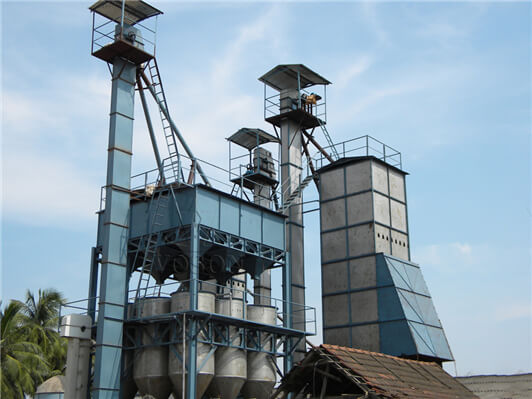
What makes a mini parboiled rice mill different?
A normal white-rice mill begins with dry paddy and focuses on cleaning, husking, separation, whitening, grading and packing. A parboiled project adds wet-process stages before milling: soaking, steaming and drying. These stages need heat, water, drainage, controls and more site coordination.
The word mini should describe a defined capacity and scope, not an incomplete project. One buyer may need a small batch parboiling section feeding an existing mill; another may need a complete greenfield plant from paddy intake to retail packing. Their budgets are not comparable until the boundary is stated.
Define capacity before requesting a price
State whether capacity refers to paddy input per batch, tons per hour, tons per day or finished-rice output. Soaking and drying are batch or residence-time processes, while milling is usually discussed as an hourly flow. The design should explain how batches are scheduled so the wet section can supply the milling section without long stops.
| Capacity question | Information to provide | Why it changes cost |
|---|---|---|
| Paddy input | Tons per batch or day, variety, moisture and harvest condition | Sizes tanks, steam demand, dryer and storage. |
| Operating schedule | Shifts, hours per day, seasonal days and cleaning time | Changes batch quantity, buffers and machine utilization. |
| Finished output | Target recovery, head rice, grades and bag sizes | Changes milling, sorting, storage and packing scope. |
| Future expansion | Planned capacity increase and available land | Affects layout, utilities and whether equipment should be modular. |
Mini parboiled rice processing equipment
The process normally begins with pre-cleaning to remove straw, dust, stones and other foreign material. Clean paddy enters soaking tanks, receives controlled steaming, and then dries to a moisture condition suitable for storage and milling. The dry paddy is cleaned again as required before husking, separation, whitening, grading and packing.
| Project section | Typical equipment or work | Buyer evidence to request |
|---|---|---|
| Paddy preparation | Intake, cleaner, destoner and storage bins | Input condition, removal target and storage capacity. |
| Soaking | Tanks, water circulation, temperature control and valves | Batch size, time, water requirement and cleaning method. |
| Steaming | Steam vessel, distribution piping, traps and controls | Steam pressure, batch time, safety boundary and uniformity. |
| Drying | grain dryer, heat source, fans and moisture control | Inlet and outlet moisture, ambient basis, fuel use and drying time. |
| Rice milling | Husker, separator, whitener, grader, conveyors and bins | Rated input, expected recovery, broken rice and final grades. |
| Finishing | Color sorting, weighing, packing and warehouse handling | Defect standard, bag range, accuracy and packing speed. |
Compare complete paddy parboiling plant configurations separately from the rice mill plant and individual rice mill machines. This makes it easier to see whether a quotation includes only the parboiling module, only the milling line or the complete project.
Project cost categories
Equipment price is only one budget line. Buyers should obtain local prices for land, building, foundations, drainage, water storage, electrical connection, fuel system, unloading and installation labor. Import duty, inland transport and insurance can also be material for an overseas project.
| Budget category | What to include | Common omission |
|---|---|---|
| Process equipment | Parboiling, drying, milling, conveying, bins and packing | Elevators, platforms, controls or dust collection excluded. |
| Heat and utilities | Boiler or heat source, water, power, air, pipes and drainage | Fuel handling, water treatment or local electrical work missing. |
| Civil and building | Foundations, floors, roof, openings, roads and storage | Local construction based on an incomplete layout. |
| Delivery and installation | Packing, freight, customs, unloading, erection and wiring | Supplier supervision confused with complete local installation. |
| Startup | Trial paddy, training, laboratory tools and spare parts | No budget for commissioning material or early wear parts. |
| Working capital | Paddy inventory, fuel, bags, wages and receivables | All cash assigned to machinery before production begins. |
Boiler, fuel, water and drainage
Steam demand depends on batch size, paddy condition, steaming method and operating schedule. The supplier should state the required steam basis; a local boiler specialist should then confirm fuel, pressure rating, water quality, controls, permits and safety requirements for the destination.
Ask how much water each batch needs, how tanks are filled and cleaned, and where hot or contaminated water is discharged. Drainage slope, treatment and local environmental rules should be resolved before construction. A low equipment quote can become expensive if the site lacks reliable water, fuel or power.
Drying performance and climate assumptions
Drying is frequently the limiting stage. Request the rated wet-paddy load, inlet and target moisture, ambient temperature and humidity basis, drying time, fuel demand and allowable grain-temperature range. A dryer sized for one climate may not deliver the same cycle time during a humid harvest season.
Uniform drying matters because overly wet grain stores poorly while excessive drying can reduce milling performance. The project should include sampling, moisture measurement, recirculation or tempering where required, and safe access for inspection and cleaning.
Parboiled and white rice in one plant
A combined parboiled and white rice processing plant cost is higher when the design needs separate raw-material bins, bypass routes, product storage, cleaning between grades or additional packing capacity. The layout should prevent wet-process material, finished parboiled rice and white-rice production from interfering with one another.
Ask whether the same milling line will process both products and how changeover will be managed. Define expected days or batches for each product, required storage and market specifications. This is more useful than buying optional machines without a production plan.
How to compare supplier quotations
Require each supplier to quote against the same capacity, paddy, fuel, finished-rice and site assumptions. The proposal should include a process diagram, equipment schedule, motor list, layout, utility table, supply exclusions, spare parts, delivery terms, installation boundary, training, warranty and acceptance method.
Do not select a supplier from an unsupported low price. Compare machine quantities, materials in wet and food-contact areas, safety controls, dryer basis, motor standards and after-sales scope. Use the parboiled rice mill plant price guide to separate equipment quotation from complete installed project cost.
Commissioning and acceptance
Before ordering, agree on trial-paddy condition, batch size, soaking and steaming records, dryer inlet and outlet moisture, milling input, finished output, recovery, head rice, broken-rice grades, test duration and allowed downtime. Keep signed records and representative samples.
Commissioning should also test valves, steam controls, water circulation, dryer fans, electrical interlocks, machine rotation, dust collection and packing accuracy. Operator training must cover cleaning, moisture checks, safe steam operation, process adjustment and preventive maintenance.
Small project versus larger parboiled plant
This page focuses on a compact project with clearly limited capacity and scope. For larger plants, review the full parboiled rice mill project cost guide. The general rice mill project cost checklist covers machinery, building, logistics and startup across different processes.
Use the Rice Mill Project Planning Hub to organize the purchasing sequence. For a quotation, send capacity basis, paddy variety and moisture, fuel, water source, power, product grades, packing, destination and site drawing through Contact.
Mini parboiled rice mill project cost FAQ
Why is there no single price for a mini parboiled rice mill?
Capacity, soaking and steaming method, dryer basis, fuel, milling scope, building, utilities, delivery and installation differ between projects.
Is parboiling equipment included in a normal rice mill quote?
Not necessarily. Confirm whether the quotation includes soaking tanks, steaming, drying, heat generation, piping and controls as well as milling.
Which section often controls project capacity?
Soaking or drying can control daily output because they require batch time and depend on moisture, climate and utility availability.
Can one plant produce parboiled and white rice?
Yes, but the layout may need bypasses, separate storage, changeover procedures and enough packing capacity for both products.
What local costs should buyers obtain?
Check civil work, power connection, water, drainage, fuel system, permits, customs, inland transport, unloading and installation labor.
What information is needed for a reliable quotation?
Provide capacity, paddy data, operating schedule, fuel, water, voltage, finished-rice target, packing, destination and building limits.