
2 TPH Rice Mill Plant: Machine List, Output and Buyer Guide
Quick answer: A 2 TPH rice mill plant should process two tons per hour only on the material basis and test conditions written in the quotation. Buyers should confirm whether 2 TPH means paddy entering the line or finished rice leaving it, then balance cleaning, husking, paddy separation, whitening, polishing, grading, sorting and packing at the same flow. The best configuration depends on paddy condition, target rice grades, operating hours, utilities, building limits and service scope.
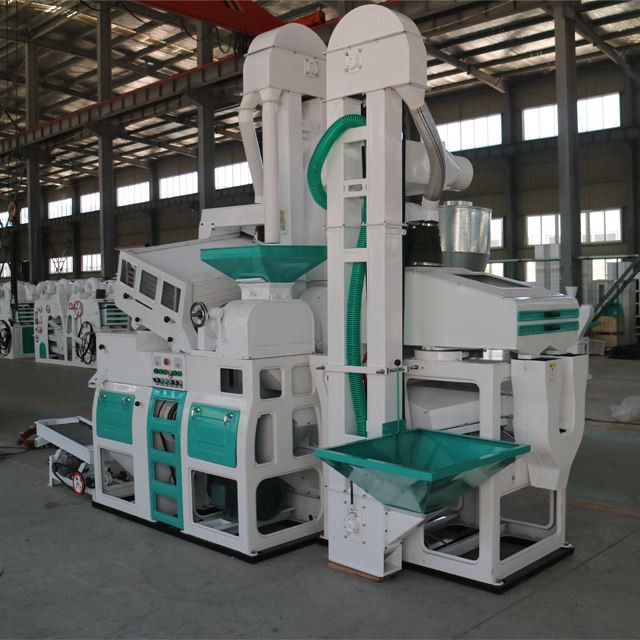
What 2 TPH means in a rice mill quotation
Capacity must name the material and measurement point. Two tons of paddy entering the cleaner is not the same as two tons of finished rice leaving the packing section. Husk, bran, impurities, broken grades and rejects leave the main flow, while moisture and paddy quality influence both throughput and recovery.
Ask the supplier to state the test paddy, moisture range, impurity level, operating duration and finished-rice specification. If the proposal only says "2 TPH" without these conditions, different suppliers may be quoting different performance.
| Operating schedule | Gross paddy at 2 TPH | Planning note |
|---|---|---|
| 8 hours | 16 tons per day | Allow for startup, cleaning, bag changes and normal stops. |
| 12 hours | 24 tons per day | Confirm labor coverage, maintenance time and storage. |
| 16 hours | 32 tons per day | Use effective running hours rather than scheduled hours alone. |
| 20 hours | 40 tons per day | Check raw-paddy intake and finished-rice packing capacity. |
| 24 hours | 48 tons per day | Plan continuous staffing, utilities and preventive maintenance. |
These figures are simple paddy-input arithmetic, not guaranteed finished-rice output. The expected saleable output must be calculated from project-specific recovery and grade results. For a basic explanation of the process, review how a 2 ton rice mill works.
Machine list for a 2 TPH rice mill plant
A commercial line normally begins with paddy receiving and cleaning, then removes husk, separates unhusked paddy from brown rice, whitens and polishes the grain, grades the finished rice and packs the required products. Color sorting, blending, retail packing and larger storage bins are selected from the market specification.
| Process stage | Typical equipment | Buyer evidence to request |
|---|---|---|
| Cleaning | Vibrating cleaning machine, aspiration, magnet and destoner | Input impurity range, screen specification, removal target and rated flow. |
| Husking | Rubber roller huller and husk aspiration | Hulling result, roller specification, feed control and broken-rice check. |
| Paddy separation | Double paddy separator and return elevators | Unhusked paddy in brown rice, return flow and adjustment method. |
| Whitening and polishing | Vertical rice mill, rice polisher and bran collection | Number of passes, whiteness, grain temperature and recovery basis. |
| Grading and sorting | Rice grading machine and optional rice color sorter | Grade fractions, visible-defect standard, sorter flow and reject handling. |
| Packing | Finished-rice bins and automatic packing machine | Bag range, weighing tolerance, speed, sealing and product changes. |
Compare integrated configurations in the rice mill plant range and individual functions in the rice mill machine range. The quotation should list model, quantity, rated capacity and motor for every machine, elevator, bin and transfer device.
Match the line to the paddy
Send representative paddy information with the inquiry: variety, grain length, moisture range, impurity, immature grain and storage condition. If the mill will handle several varieties, identify the main crop and the material that is most difficult to process. Machine settings and results can change with the raw material.
Paddy preparation outside the mill also matters. Unstable moisture, poor drying or mixed varieties can increase breakage and make acceptance results difficult to repeat. The supplier and buyer should agree on sample preparation and measurement methods before testing.
Define finished-rice quality before selecting options
State the required milling degree, head-rice target, broken fractions, polish, visible-defect tolerance, blend and bag sizes. A plant selling one bulk grade has a different finishing section from a plant producing several retail products.
Optional equipment should solve a defined requirement. A color sorter is selected from defect type, throughput, compressed-air quality and market tolerance. Additional grading is justified by the grade schedule. More polishers or whiteners may support gentler multi-pass processing, but the sequence must be evaluated against paddy and quality targets.
Check line balance, not one machine label
A line does not deliver 2 TPH merely because one whitener carries that rating. The cleaner, huller, separator, elevators, whiteners, grader, sorter, bins and packer must handle the required flow. Internal return streams can place extra load on hulling and conveying equipment.
Request the expected normal operating load, not only catalog maximum capacity. Ask the supplier to identify the proposed bottleneck and the allowance used for elevators, return paddy and packing. This is also the point to compare the operational benefits of a 2 TPH rice mill plant without mixing them into the equipment-selection decision.
Automation and operator responsibility
Automation can stabilize feeding, monitor bin levels, protect motors and reduce repeated manual adjustment. It does not replace sampling, cleaning, preventive maintenance or trained operators. Define which controls are automatic, which settings remain manual and what happens after an alarm or power interruption.
Ask for a control list, sensor list, electrical drawings, alarm description and operator training plan. Confirm whether remote support is available and which spare sensors, drives or control components should be kept at the site.
Layout, building and maintenance access
Request a dimensioned layout with machine footprints, elevations, pits, floor openings, foundations, platforms and stairs. Check building height, equipment lifting routes, operator walkways and space to remove rollers, screens, motors and bearings.
The site plan should also show paddy receiving, raw storage, by-product collection, finished-rice bins, packing, warehouse traffic and dispatch. Leave a practical route for husk, bran, broken rice, dust and rejects so they do not block the production area.
Power, air, water and dust control
The motor schedule should state voltage, frequency, connected load and expected simultaneous demand. Use it to confirm transformer, distribution, cable and backup-power requirements with a local electrical professional. Color sorting and pneumatic controls may need clean, dry compressed air; polishing may need controlled water.
Ask how aspiration air and dust are collected, where husk and bran are discharged, and which ducts, fans and cyclones are included. Local electrical, fire, environmental and building requirements take priority over a generic equipment layout.
Packing and storage can restrict output
State every bag size, product grade, weighing tolerance and sealing method. Calculate the required bags per hour for each format. Retail packs, frequent product changes and manual bag handling can require a different arrangement from one bulk bag size.
Finished-rice bins can absorb short interruptions, but they should not hide an undersized packing section. The plant also needs enough raw-paddy and finished-product storage for the actual operating schedule, not just the nominal hourly number.
How to compare 2 TPH quotations
| Quotation document | Minimum content | Decision supported |
|---|---|---|
| Process flow | Machines, return streams, bypasses, bins and product grades | Whether the proposed line can make the requested products. |
| Equipment schedule | Model, quantity, capacity, motor and contact material | Whether supplier offers have comparable technical scope. |
| Layout and loads | Dimensions, elevations, access, pits and foundation points | Building feasibility and local civil cost. |
| Utility schedule | Power, air, water, aspiration and dust collection | Infrastructure requirements before machine delivery. |
| Responsibility matrix | Freight, unloading, erection, wiring, training and spares | Total project boundary and local-contractor work. |
| Acceptance protocol | Test paddy, duration, throughput, recovery, grades and downtime | How contractual performance will be measured. |
Do not compare only the machine price. Use the rice mill project cost checklist to account for civil work, utilities, freight, import, installation, commissioning, trial paddy, spare parts and working capital. A low quotation may simply have a narrower boundary.
Acceptance testing before final handover
Agree on the trial material and acceptance values before ordering. Record paddy variety, moisture and impurity; input weight; effective running time; finished output by grade; recovery; head rice; broken fractions; visible defects; motor load; packing accuracy; downtime and its causes.
Test results should be recorded after the line has stabilized. Keep signed records and representative samples. Commissioning should also verify rotation, guards, interlocks, emergency stops, aspiration, sensors, bin levels and training for startup, shutdown, cleaning, adjustment and preventive maintenance.
When to compare a larger plant
A 2 TPH line is appropriate only when paddy supply, sales, storage, utilities and working capital support that flow. If the project expects substantially higher sustained input, compare the 4 TPH rice mill plant guide on the same paddy-input and quality basis rather than assuming that two separate machines will double the complete line capacity.
Use the Rice Mill Project Planning Hub to organize the purchasing sequence. For a supplier-ready proposal, send paddy data, capacity basis, shifts, finished-rice grades, bag sizes, voltage, destination, site dimensions and service expectations through Contact.
2 TPH rice mill plant FAQ
Does 2 TPH mean paddy input or finished rice?
It can mean either unless the quotation states the basis. The contract should name the material, measurement point, paddy condition and test method.
How much paddy can a 2 TPH plant process per day?
The arithmetic input is 16 tons in 8 hours, 32 tons in 16 hours or 48 tons in 24 hours before downtime. Finished-rice output is lower and depends on recovery and grade results.
Which machines are normally required?
A commercial line usually needs cleaning, husking, paddy separation, whitening, grading, conveying and packing. Polishing and color sorting depend on the product specification.
What commonly limits actual capacity?
Cleaning, return paddy, elevators, grading, color sorting, bins, packing or unstable utilities can become the bottleneck.
What should a 2 TPH quotation include?
Request the process flow, equipment and motor schedule, layout, utilities, responsibility matrix, spare parts, training, warranty and acceptance protocol.
What information is needed for a reliable proposal?
Provide paddy condition, input or output basis, operating hours, finished-rice grades, packing, voltage, destination, building limits and service scope.