
Small Scale Rice Mill Business: Profit and Equipment Checklist
Are you looking for a way to enter the lucrative rice industry? Do you want to process paddy into rice and earn a good income? If yes, then you should consider starting a small scale rice mill business.
A small scale rice mill is a machine that turns paddy into rice. It also removes the unwanted parts of the rice grains, such as the husk, bran, and germ. You can choose a small rice mill with different capacities, from 10 to 50 tons per day. The best option depends on your budget and market demand.
Why Start a Small Scale Rice Mill Business?
A small scale rice mill business has many benefits over a large scale one. For example:
- You need less money to start and run it.
- You can set it up and maintain it easily.
- You can produce different types of rice for different customers.
- You can create jobs for local people.
- You can reduce waste and increase farmers’ income.
To start a small scale rice mill business, you need to follow these steps:
- Do market research. Find out the demand and supply of rice in your area, the competition, the price trends, and the potential customers.
- Make a business plan. Write down your goals, strategies, budget, and financial projections for your business. Also, decide on the legal structure, location, and equipment of your business.
- Get licenses and permits. Follow the local and national rules for starting a rice mill business. You may need licenses for food safety, environmental protection, taxation, and registration.
- Buy equipment and raw materials. Get a suitable small rice mill machine and other accessories like scales, bags, and conveyors. Also, get quality paddy from reliable suppliers or farmers.
- Hire and train staff. Get skilled and experienced workers who can operate and maintain the rice mill machine. Also, train them on safety and quality standards.
- Market and sell your products. Promote your brand and products through various channels like online platforms, social media, flyers, and word-of-mouth. Also, build good relationships with your customers and offer them competitive prices and services.
A small scale rice mill business can be a great opportunity if you plan well and execute properly. With hard work and dedication, you can succeed in the rice industry.
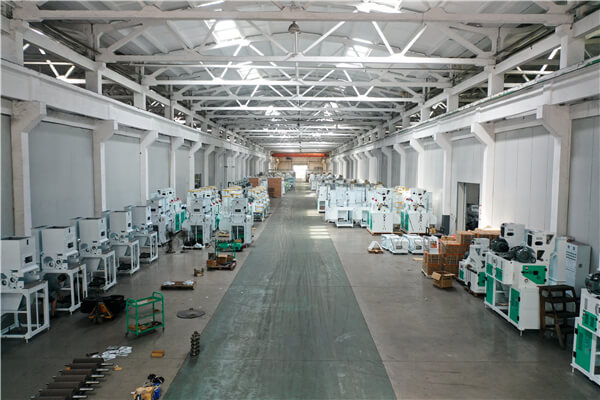
Small scale rice mill business checklist
A small scale rice mill business should begin with local paddy supply and rice demand, not with machine price alone. Profit depends on yield, quality, paddy cost, power, labor, packaging, maintenance, sales price and cash collection. A compact plant can work well when the equipment scope matches the market.
| Business factor | What to calculate | Buyer note |
|---|---|---|
| Paddy supply | Season, variety, moisture, impurity, purchase price and storage. | Unstable raw material can stop production or reduce yield. |
| Market demand | Rice grade, bag size, buyers, payment terms and selling price. | Defines the quality target and packing method. |
| Plant capacity | TPH or daily output, shift hours and expansion plan. | Controls machinery size and working capital. |
| Equipment scope | Cleaner, huller, separator, whitener, polisher, grader and packing. | Missing equipment can hurt quality and margin. |
| Operating cost | Power, labor, bags, rent, spares, maintenance and finance. | Shows actual cost per ton. |
| Cash cycle | Paddy stock, receivables and supplier payment schedule. | Prevents a profitable plan from running out of cash. |
What equipment fits a small business?
Many small projects compare a 1 TPH rice mill plant, 2 TPH rice mill plant or a compact mini plant. For investment planning, review mini rice mill project cost, mini rice mill profitability and the broader rice mill project cost checklist.
Send local paddy price, expected daily output, quality target, voltage, building size and budget through Contact for a small plant recommendation.
Small scale rice mill business FAQ
Is a small rice mill business profitable?
It can be profitable when paddy supply, yield, rice price, operating cost and working capital are realistic.
What is the biggest startup risk?
Weak paddy supply, poor quality control, underestimated working capital and choosing the wrong capacity are common risks.
Should a small mill use a color sorter?
Use one only if the market pays for sorted rice and the line has enough volume to justify the cost.
What should be included in the first quote?
Ask for process flow, machine list, motor power, layout, spare parts, installation scope and acceptance test method.