
3 Ton Rice Mill Project Cost: 3 TPH vs 3 TPD Guide
Quick answer: A 3 ton rice mill project cost cannot be compared from one capacity number. First define whether “3 ton” means 3 tons per hour (3 TPH) or 3 tons per day (3 TPD), and whether the figure describes paddy input or finished-rice output. Then budget the process equipment, site work, utilities, delivery, installation, commissioning and startup cash as separate scopes.
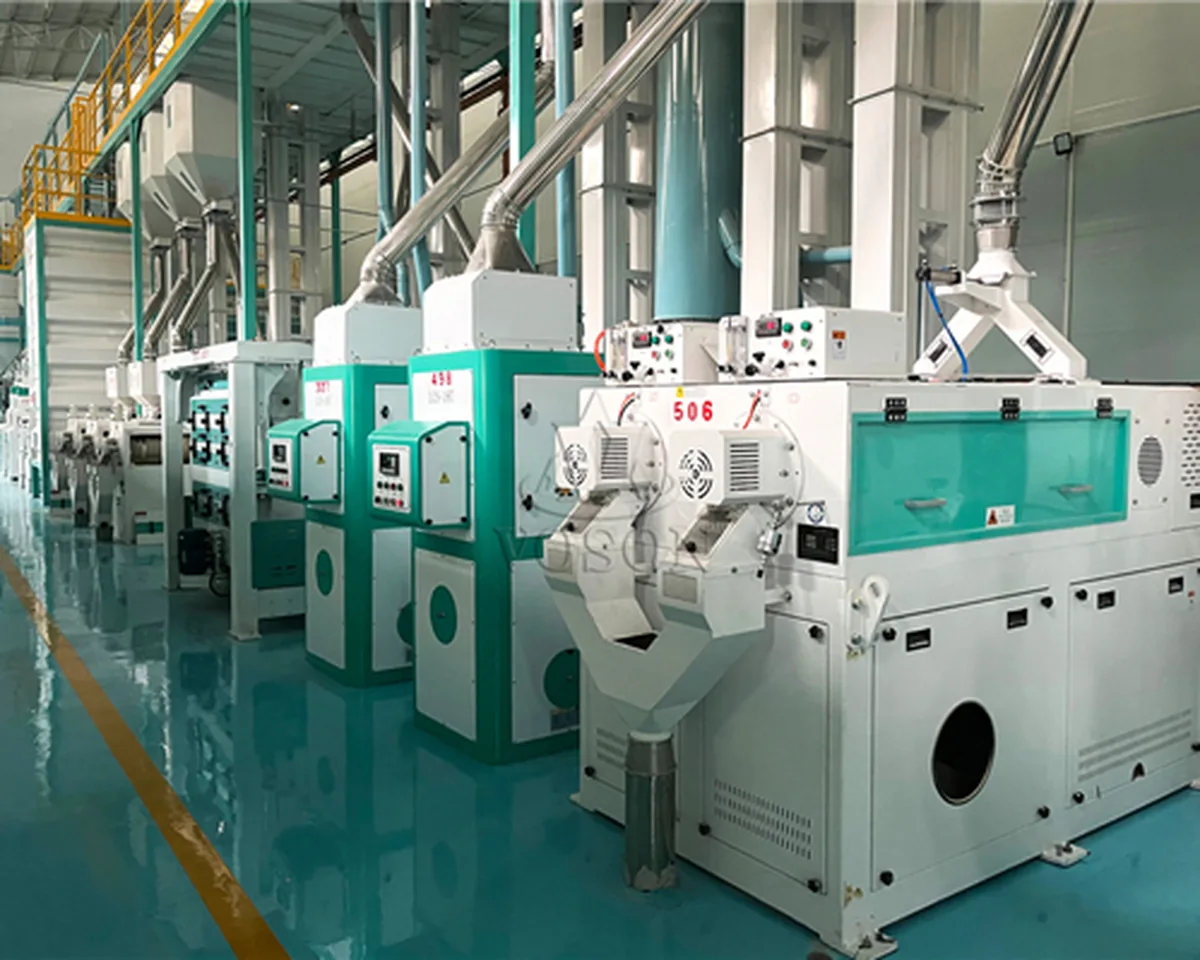
Define 3 TPH, 3 TPD and the material basis first
A 3 TPH paddy-input line is a different project from a plant expected to deliver 3 TPH of finished rice. Husk, bran, broken rice and process losses mean finished output is lower than raw paddy input. A 3 TPD plant is smaller again. Every budget request should state the time basis, input or output basis, operating hours and planned production days.
Paddy variety, moisture, impurity and storage condition also affect the process. Finished-rice requirements such as milling degree, polishing, broken-rice grades, visible-defect limits and bag sizes determine whether the line needs additional whitening, grading, sorting or packing stages. These are engineering inputs, not details to add after a price has already been selected.
What belongs in a 3 ton rice mill project cost?
| Budget section | Typical scope | Evidence to request |
|---|---|---|
| Process equipment | Cleaning, destoning, husking, separation, milling, grading, sorting and packing | Process flow, model list, quantities and motor schedule |
| Auxiliary systems | Elevators, conveyors, bins, platforms, aspiration, dust collection and controls | Layout, utility list and supplier boundary |
| Site and utilities | Building, foundations, transformer, cables, air, water, drainage and access | Local drawings and contractor quotations |
| Delivery and import | Freight, insurance, port handling, duty, inland transport, unloading and storage | Incoterm and dated logistics estimate |
| Installation and startup | Erection, supervision, commissioning, trial paddy, training and initial spares | Responsibility matrix and acceptance plan |
| Operating cash | Paddy stock, bags, payroll, utilities, maintenance and receivables | Local operating and cash-flow assumptions |
Machine configuration changes the equipment subtotal
A basic line may stop after cleaning, husking, separation, whitening and simple grading. A commercial-quality line can add polishing, tighter grading, bins and better-controlled conveying. Retail or export production may require color sorting, metal detection, automated weighing, bagging and more complete dust control.
Review the rice mill machine range and complete rice mill plant configurations against the required product, rather than assuming every quotation contains the same stages. Ask for model numbers, quantities, motor power and all elevators, conveyors, platforms and controls. A low machinery subtotal can become expensive when essential auxiliaries are omitted.
Site work and utilities need local evidence
The equipment supplier can provide machine dimensions, loads and utility requirements, but building, foundation, transformer, cable, labor and permit costs depend on the project location. Use local contractor and utility quotations. Keep them separate from the supplier offer so exchange rates or construction changes can be updated without distorting the machine scope.
The layout should identify intake, processing, packing, raw-material storage, finished-product storage, by-product movement, maintenance access and vehicle routes. Building height and floor loading can change when bins, platforms and elevators are added. Confirm these interfaces before equipment order.
Freight, installation and acceptance are different cost lines
Record the quotation Incoterm, port or delivery point, container plan, insurance, unloading and inland transport. Installation supervision may exclude international travel, accommodation, local lifting equipment, electricians and mechanical labor. The written responsibility matrix should assign every task to the supplier, buyer or local contractor.
Commissioning should be connected to an acceptance method. Define the trial paddy, test duration, stable-production period, allowable downtime and measurements for input, finished output, recovery, grade fractions, product quality and packing. This converts a capacity claim into a result that both parties can review.
Why this guide does not publish one universal price
A fixed global number would mix different capacities, process stages, currencies, destinations and local construction conditions. It may also become outdated before a buyer uses it. A defensible 3 ton rice mill project cost is a dated, site-specific calculation with a visible equipment boundary and current local quotations.
Use the separate 3 TPH rice mill budget worksheet to enter supplier and local costs. The worksheet is intentionally narrower: it explains how to calculate and update the budget, while this page remains the primary guide for defining project scope.
Information VOSON needs for a budget proposal
- Capacity in TPH or TPD, paddy input or finished output, shifts and annual operating days.
- Paddy variety, moisture, impurity and representative sample data where available.
- Required products, recovery targets, grades, defect limits and bag formats.
- Voltage, frequency, building dimensions, site country and destination.
- Required layout, freight, installation supervision, training, spares and acceptance scope.
Start with the Rice Mill Project Planning Hub, then send the available inputs through Contact. For independent background on milling stages and recovery, consult the International Rice Research Institute Rice Knowledge Bank.
Use a responsibility matrix before approving the budget
Place every interface in a three-column responsibility matrix for the equipment supplier, local contractor and buyer. Typical rows include foundations, embedded plates, structural openings, platforms, ducts, cable trays, power cables, air piping, water connections, lifting, unloading, trial material and waste removal. The matrix should state who designs, supplies, installs and tests each item.
This document is especially important when several companies work on the same plant. A platform may be included in a supplier drawing but excluded from the commercial offer; a transformer may be sized locally before the final motor list is approved. Recording the owner and evidence for each interface reduces duplicate allowances and unbudgeted work.
Review operating inputs without promising a fixed return
Capital cost is only one decision input. Record expected connected load, labor per shift, wear parts, packing materials, planned maintenance, paddy procurement and finished-product mix using local evidence. Then test more than one operating scenario for hours, utilization and product grades. Supplier data can support machine consumption and maintenance planning, but sales price, paddy price, tax, finance and market demand remain buyer assumptions.
A useful proposal separates verified technical inputs from commercial forecasts. It does not convert an equipment quotation into a guaranteed payback period. Keep the operating model beside the project budget so changes in paddy cost, electricity or utilization can be reviewed without changing the agreed machinery scope.
3 ton rice mill project cost FAQ
Does 3 ton mean 3 TPH or 3 TPD?
It can mean either. A useful proposal must state whether capacity is per hour or per day and whether it refers to paddy input or finished-rice output.
Is machinery price the same as total project cost?
No. Total project cost can also include civil work, utilities, freight, import handling, installation, commissioning, startup materials and working capital.
Why is there no universal 3 ton rice mill price?
The process scope, paddy condition, product grades, automation, packing, site infrastructure, destination and service boundary differ between projects.
Is a color sorter included in a 3 ton line?
Not automatically. It should be selected from the raw-paddy defect profile, finished-rice specification, throughput and compressed-air plan.
What should a buyer send before requesting a budget?
Send the capacity basis, paddy data, product specifications, bag sizes, voltage, building dimensions, destination and required installation support.
How should competing quotations be compared?
Use one common input sheet and compare process flow, model quantities, auxiliaries, utilities, site responsibilities, exclusions, spares and acceptance conditions.