
Rice Sheller Meaning: Paddy Huller Machine Buyer Guide
Quick answer: A paddy sheller machine, also called a rice sheller or paddy huller, removes the husk from cleaned paddy to produce brown rice. In a rubber-roll sheller, two rollers turn at different speeds and pull the grain through a controlled gap. The sheller works with husk aspiration and a paddy separator, so it should be selected as part of the complete husking section rather than as an isolated machine.
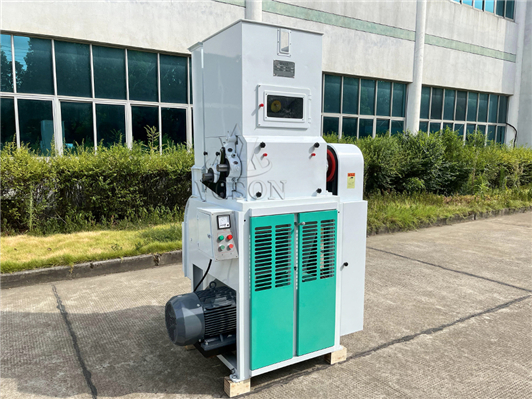
Rice sheller meaning and position in the milling line
The word sheller describes the machine that separates the outer husk from paddy. It does not complete the whole rice milling process. Before shelling, paddy normally passes through cleaning and destoning. After shelling, aspiration removes loose husk, and a paddy separator divides brown rice from grains that still retain their husk. The unhusked paddy returns for another controlled pass.
| Process stage | Main purpose | Why it affects the sheller |
|---|---|---|
| Cleaning | Remove straw, dust and large impurities | Foreign material can damage rollers and disturb feeding. |
| Destoning | Remove stones and heavy impurities | Hard material can damage the husking chamber. |
| Shelling or husking | Remove husk while protecting the brown rice | Roller gap, pressure and feed rate determine the result. |
| Husk aspiration | Separate light husk from the grain stream | Poor aspiration overloads the separator and creates dust. |
| Paddy separation | Separate brown rice from unhusked paddy | Return flow must match sheller capacity and efficiency. |
| Whitening | Remove bran from brown rice | Stable shelling protects downstream quality and yield. |
For the core equipment, compare the rubber roller huller, matching rice rubber rollers and the downstream paddy separator. Their capacities and return flow should be checked together.
How a rubber-roll paddy sheller works
Clean paddy enters through a feeder that spreads the grain across the working width. Two rubber rollers rotate in opposite directions at different surface speeds. As paddy passes through the narrow gap, the speed difference creates a shearing action that loosens and removes the husk. The brown rice, unhusked paddy and loose husk then move to aspiration and separation.
Roller pressure must be high enough to achieve the required husking rate but not so high that it cracks the grain or wears the rubber unnecessarily. The correct setting changes with paddy variety, moisture, grain shape, roller hardness, roller wear and feed stability. Operators should adjust from measured samples instead of forcing the highest possible shelling percentage in one pass.
Why two rollers run at different speeds
If both rollers moved at the same surface speed, they would mainly squeeze the grain. The speed difference creates the controlled rubbing action needed to release the husk. Because one roller wears faster, operating procedures may include position changes or roller replacement rules specified by the manufacturer.
Why husk aspiration matters
Removing husk immediately reduces the material load on the paddy separator and keeps the working area cleaner. Airflow that is too low leaves husk in the grain stream; airflow that is too high can carry useful grain into the husk outlet. The supplier should state fan capacity, duct connection, adjustment method and dust-collection boundary.
Settings that control hulling efficiency and broken rice
| Control point | What to check | Typical effect |
|---|---|---|
| Paddy condition | Variety, moisture, fissures, temperature and cleanliness | Dry or damaged grain can break more easily. |
| Feed rate | Uniform distribution across the roller width | Uneven feed causes unstable shelling and localized wear. |
| Roller gap and pressure | Husking rate, broken rice and motor load | Excess pressure increases breakage and roller consumption. |
| Roller specification | Size, hardness, mounting and compatibility | Incorrect rollers reduce efficiency and service life. |
| Aspiration airflow | Husk removal and grain loss at the husk outlet | Poor balance affects separation and saleable yield. |
| Return flow | Quantity of unhusked paddy returning from the separator | Excess return flow reduces the effective line capacity. |
Paddy sheller machine versus a rice sheller plant
A paddy sheller is one machine. A rice sheller plant is the wider section that can include intake, cleaning, destoning, husking, aspiration, paddy separation, conveying and controls. A buyer asking for a “sheller business” or a small rice milling business should therefore confirm whether the quotation covers only the huller or the full process needed to produce clean brown or white rice.
The rice sheller plant guide explains this wider boundary. For a complete commercial mill, buyers must also plan whitening, polishing, grading, sorting, packing, utilities, building space, spare parts and startup support. One sheller cannot replace these stages.
To compare the sheller with cleaning, paddy separation, whitening, grading and packing, use the rice mill machinery functions guide before checking line capacity and quotation scope.
How to select a paddy sheller machine
Start with the paddy and required line output. State whether capacity means paddy input per hour or finished output per day. Provide the paddy variety, moisture range, impurity condition and operating schedule. The sheller capacity should match the cleaner before it and the aspiration and paddy-separation systems after it.
Ask for a dimensioned drawing, motor specification, roller size, feeder design, aspiration scope, control method and recommended spare-parts list. Check whether the quotation includes the fan, air-lock or cyclone, ducts, control cabinet, platforms and connection pieces. These items are often treated differently by suppliers.
Factory and commissioning test checklist
An acceptance test should use an agreed paddy sample and begin after operation is stable. Record input weight, test time, throughput, husking rate, broken-rice percentage, brown-rice loss in the husk outlet, motor load and visible grain damage. Note the paddy moisture and roller condition because both influence the result.
The buyer should keep input and output samples with the test record. If the project processes several varieties, test the most important or most difficult paddy. The supplier and buyer should also agree on how return paddy is measured and whether the stated capacity includes recirculation.
Maintenance and rubber roller planning
Daily checks include feed distribution, roller surfaces, roller gap, bearing temperature, belts, aspiration airflow and grain loss at the husk outlet. Rubber rollers are normal wear parts. Their useful life depends on paddy condition, pressure, alignment, cooling, operating hours and the quality of the roller compound.
Track tons processed per roller set together with hulling rate and broken rice. This gives a better purchasing measure than roller price alone. Before shipment, confirm the correct roller dimensions and mounting, replacement procedure, recommended stock quantity and lead time for bearings, belts, seals and sensors.
How VOSON reviews a shelling application
Our review begins with paddy condition, required throughput and the acceptable balance between husking rate, broken rice and roller use. We then check cleaner output, sheller capacity, aspiration, separator return flow, motor and utility requirements, layout connections and the buyer's test method. This line-based review is intended to identify bottlenecks and missing quotation items before manufacturing.
Use the rice mill machine range and Rice Mill Project Planning Hub to compare the complete process. Send capacity, paddy data, voltage, site country, layout limits and required output quality through Contact. For independent background on milling stages, consult the International Rice Research Institute Rice Knowledge Bank.
Paddy sheller machine FAQ
What does a rice sheller do?
It removes the outer husk from cleaned paddy to produce brown rice. Husk aspiration and paddy separation normally follow the sheller.
Is a sheller the same as a complete rice mill?
No. A complete rice mill also cleans, separates, whitens, polishes, grades, sorts and packs rice, depending on the product required.
Why are rubber rollers used?
Two rollers running at different speeds create a controlled shearing action that removes husk while limiting damage to the brown rice.
What causes a low husking rate?
Common causes include worn or incorrect rollers, an unsuitable gap, uneven feeding, difficult paddy moisture, poor aspiration or incorrect pressure.
How should sheller capacity be specified?
State paddy input in tons per hour, operating hours, paddy condition and the capacity of the cleaner, aspiration and paddy separator.
What should buyers compare in quotations?
Compare the feeder, rollers, motor, aspiration, controls, ducts, spare parts, installation drawing, test method, warranty and every stated exclusion.