
China Rice Mill Supplier: Machines, Factory Checks & Quotes
Quick answer: A China rice mill supplier should provide a process flow, matched machine list, capacity basis, layout, utility schedule, factory-test method and installation boundary. Compare suppliers with the same paddy, finished-rice target, TPH or TPD basis and quotation scope; a list of standalone machines or the lowest price is not enough.
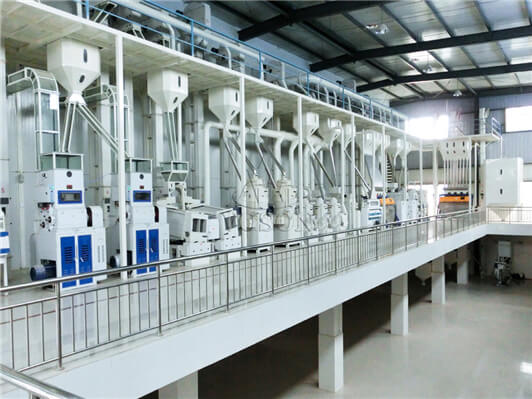
What should a complete China rice mill include?
A complete rice mill is a connected process rather than a single machine. The exact configuration changes with paddy cleanliness, moisture, grain variety, target whiteness, broken-rice limit, by-product handling and local sales requirements. A basic commercial line may stop after grading, while a retail-quality line can also include polishing, color sorting, weighing and bagging.
| Process stage | Typical equipment | Buyer decision |
|---|---|---|
| Intake and cleaning | Pre-cleaner, vibrating screen, magnet and destoner | Confirm impurity level, stone removal and receiving method. |
| Husking and separation | Rubber-roll husker and paddy separator | Match the return flow and separation accuracy to the line capacity. |
| Whitening and polishing | Rice whitener, mist polisher and bran collection | Define whiteness, surface finish, yield and temperature limits. |
| Grading and sorting | Length grader, thickness grader and color sorter | State the broken-rice and defect standard for the target market. |
| Packing and handling | Bins, conveyors, scales, bagging and sewing system | Confirm bag sizes, packing speed and storage arrangement. |
Buyers comparing configurations can review the rice mill machine range, see complete rice mill plant solutions, and use the rice mill machinery guide to understand what each machine contributes to the process.
How to evaluate a Chinese rice mill supplier
A supplier should be able to explain why each machine is in the line and how the selected models work together. A long equipment list is not evidence of good engineering. Ask the supplier to connect the flow diagram, rated capacity, motor schedule, building layout and expected finished-rice result.
1. Check the capacity definition
Capacity is commonly stated in tons per hour or tons per day, but the basis is not always the same. Confirm whether the number refers to paddy input or finished-rice output, how many operating hours are assumed, and what moisture and impurity conditions apply. A quote that does not define these assumptions is difficult to compare or test.
2. Request evidence from the factory
Useful evidence includes a dimensioned layout, model and motor list, manufacturing photos, test procedure, packing method, manuals and examples of similar completed lines. For a factory acceptance test, agree in advance on test material, run time, throughput measurement, yield, broken rice, finished quality and the method for recording results.
3. Verify the quotation boundary
Two China rice mill quotations can differ greatly because one includes conveyors, platforms, dust collection, control cabinets, color sorting and packing while another excludes them. The buyer should mark every included item, optional item and local responsibility before comparing the total price.
4. Review support after shipment
Confirm who provides foundation drawings, installation supervision, electrical connection guidance, commissioning, operator training and warranty service. Ask for a recommended spare-parts package and the expected lead time for normal wear parts. These details affect startup risk and long-term downtime more than a small difference in machine price.
China rice mill quotation comparison checklist
| Quotation area | Information to compare | Common omission |
|---|---|---|
| Process scope | Flow diagram, machine models, capacity and expected output quality | Auxiliary machines, elevators, bins or by-product handling |
| Electrical scope | Motor list, voltage, frequency, controls, cables and transformer boundary | Site cabling, distribution panels and backup power |
| Building scope | Layout, platform, foundation loads, pits and maintenance access | Local civil work, steel structure and drainage |
| Delivery scope | Incoterm, packing, inland transport, port charges and insurance | Import tax, unloading, inland delivery and storage |
| Startup scope | Installation, commissioning, training, test paddy and acceptance criteria | Travel, accommodation, local labor and tools |
| Service scope | Warranty, remote support, engineer response and spare-parts supply | Consumables, wear parts and service outside warranty |
The machinery price is only one part of the investment. Building, power distribution, freight, import charges, erection, commissioning, trial production and working capital also belong in the project budget. The rice mill project cost guide explains how to build a fuller estimate before requesting final proposals.
For an industrial-capacity example, use the 100 ton rice mill project cost checklist to separate TPD or TPH capacity, machinery, civil work, utilities and commissioning scope before comparing supplier quotations.
Information to send before requesting a proposal
A precise inquiry produces a more useful quotation. Send the following information instead of asking only for a price:
- Paddy variety, moisture, impurity level and whether parboiled paddy will be processed.
- Required paddy input or finished-rice output, stated clearly in TPH or TPD.
- Target head-rice yield, whiteness, broken-rice ratio and defect standard.
- Required products and by-products, including bran, husk and broken-rice handling.
- Bag sizes, packing speed, automation level and warehouse arrangement.
- Site country, voltage, frequency, available building dimensions and utility limits.
- Expected delivery term, installation support, training and acceptance-test method.
For a structured sequence from capacity definition through commissioning, use the rice mill project planning hub. When the project inputs are ready, send them through Contact so the equipment scope can be checked before a quotation is prepared.
Installation and commissioning points buyers often miss
Equipment selection should be checked against the building before production starts. The layout needs enough height for gravity flow, safe walkways, access for maintenance, space to remove rolls and screens, and a practical route for paddy, finished rice and by-products. Dust collection, ventilation and electrical protection should be planned for local conditions rather than added after delivery.
Before commissioning, both parties should agree on a responsibility matrix. It should identify who provides foundations, platforms, cables, compressed air, water, lifting equipment, local labor, test material and permits. The acceptance record should include input weight, output weight, throughput, yield, broken rice, finished quality, motor load and downtime. For independent background on milling stages and good operating practice, consult the International Rice Research Institute Rice Knowledge Bank.
How VOSON reviews a rice mill project
Our project review starts with the buyer's raw material and finished-product target. We then check line balance between cleaning, husking, separation, whitening, grading, sorting and packing; identify the required utilities and building constraints; and define the items supplied by the factory and by the local project team. This process is intended to expose missing assumptions before production and shipment, when corrections are still practical.
China rice mill FAQ
What does a complete China rice mill include?
A complete line normally includes cleaning, destoning, husking, paddy separation, whitening, grading and conveying. Polishing, color sorting, packing, dust collection and by-product handling are selected according to the required finished product.
How should buyers compare Chinese rice mill suppliers?
Give each supplier the same paddy data, capacity basis, quality target and installation boundary. Compare the process flow, model list, test method, documentation, exclusions, service and total delivered scope.
Is the lowest machinery price usually the lowest project cost?
No. A low quotation may omit conveyors, controls, packing, freight, installation or civil work. Compare the total project boundary and expected operating result, not only the machine subtotal.
What documents should be approved before manufacturing?
Approve the process flow, equipment list, technical specifications, layout, motor schedule, utility requirements, quotation boundary, delivery terms and test standard.
What should a factory acceptance test record?
Record the test material, run time, paddy input, finished output, throughput, yield, broken rice, visible defects, motor load and any stoppages. Attach photos or video to the signed result.
What information is needed for a rice mill quotation?
Provide paddy condition, required capacity, finished-rice standard, process scope, packing method, voltage, site country, building limits, delivery term and installation expectations.