
Rice Mill Boiler Plant: Steam Load, Fuel and Buyer Guide
Quick answer: A rice mill boiler plant supplies steam where the process needs heat, especially for paddy parboiling and some drying systems. A conventional dry rice mill may not need a process boiler. Boiler selection should follow the real steam schedule, operating pressure, fuel, water quality, condensate return, local emissions rules and safety code. Do not choose capacity from rice-mill output alone.
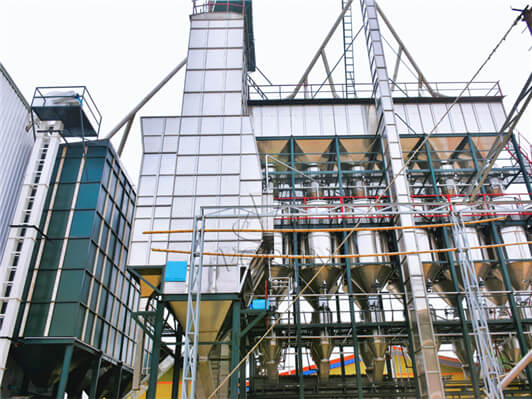
Where a rice mill uses steam
Steam demand depends on the process rather than the number of milling machines. Dry cleaning, husking, whitening, polishing and grading mainly use electricity. Parboiling adds soaking-water heating, steaming vessels and sometimes dryer heat. A boiler may also support sanitation or other site services, but every user should be listed separately.
| Steam user | Load information required | Buyer evidence |
|---|---|---|
| Soaking system | Tank volume, starting temperature, target temperature and heating time | Batch schedule, water quantity and heat-up method |
| Steaming vessels | Batch size, steam pressure, cycle time and simultaneous vessels | Process recipe and maximum operating schedule |
| Dryer or heat exchanger | Evaporation load, inlet moisture, final moisture and ambient conditions | Dryer performance basis and heat-source specification |
| Cleaning or sanitation | Required temperature, duration and frequency | Operating procedure and local hygiene requirement |
| Distribution losses | Pipe length, insulation, pressure drop and condensate return | Steam layout and line-sizing calculation |
How to establish the steam load
List each steam consumer by batch and by hour. Record when it starts, how long it runs and whether other users operate at the same time. The peak simultaneous load can be much higher than the average daily consumption. A boiler selected only from daily paddy tonnage may be oversized, inefficient or unable to meet the true peak.
The calculation should include heat-up load, process holding load, distribution losses and a documented operating margin. Separate normal production from startup and abnormal recovery conditions. Ask the process supplier and boiler supplier to approve the same load table so neither side assumes the other used different cycle times.
Fuel selection and handling
Possible fuels include rice husk, other biomass, gas, oil or site-specific alternatives. Rice husk can be attractive where a reliable quantity is available from milling, but it requires storage, conveying, controlled feeding, ash handling and suitable emissions equipment. Fuel moisture, bulk density and contamination affect boiler performance.
Gas systems can simplify fuel handling where supply and pricing are dependable, while biomass may use a by-product but needs more material-handling equipment. Compare delivered fuel cost, availability, storage area, operator skill, maintenance, ash disposal and local emissions limits rather than selecting from fuel price alone.
What belongs in the boiler package?
| Package section | Typical scope | Common boundary question |
|---|---|---|
| Boiler and pressure parts | Boiler body, drum, furnace, tubes, valves and gauges | Which code, design pressure and inspection documents apply? |
| Combustion system | Burner or grate, fuel feeder, controls and fans | Is fuel preparation and storage included? |
| Feed-water system | Tank, pumps, treatment, dosing and controls | Who tests raw water and specifies treatment? |
| Steam and condensate | Headers, traps, return tank, insulation and distribution piping | Where does the supplier boundary end? |
| Emissions and ash | Cyclone, filter, chimney, ash discharge and handling | Which local limit and test method must be met? |
| Electrical and controls | Panel, instruments, interlocks, alarms and cabling boundary | Which site cables and power supply remain local? |
Feed water and boiler water treatment
Raw water quality affects scaling, corrosion, carryover and maintenance. Test hardness, alkalinity, dissolved solids, silica and other parameters required by the boiler supplier. The treatment system may include softening, filtration, reverse osmosis, chemical dosing, deaeration and blowdown control, depending on the water and operating pressure.
Water treatment should be included in the project scope before purchase, not added after repeated operating problems. Ask for target feed-water and boiler-water limits, testing frequency, chemical requirements, operator instructions and a plan for blowdown disposal.
Steam distribution and condensate return
Steam pressure at the boiler is not the same as pressure available at the process vessel. Pipe sizing, distance, elevation, fittings and simultaneous demand create pressure drop. The layout should include safe drainage, separators where required, correctly selected traps, insulation and accessible maintenance points.
Returning clean condensate can recover heat and treated water, but the system must prevent contamination and backpressure. Confirm which vessels can return condensate, return temperature, pump or gravity arrangement and the responsibility for process piping installation.
Safety, compliance and emissions
Boilers are regulated pressure and combustion systems. The project owner must confirm the applicable local code, registration, inspection, operator licensing, building separation, ventilation, fuel-storage rules, fire protection and emissions limits. Requirements vary by country and cannot be replaced by a generic supplier statement.
The quotation should identify the design code, safety valves, pressure controls, low-water protection, flame or combustion safeguards, alarms, shutdown interlocks and required certificates. Agree on who arranges third-party inspection and local approval before manufacturing.
Matching the boiler with parboiling and drying
The boiler, soaking tanks, steaming vessels and dryer should use one production schedule. If soaking finishes faster than steaming or drying, wet paddy can wait too long and daily output falls. If the boiler cannot meet simultaneous peak demand, cycle time extends even when every machine has sufficient nominal capacity.
Compare the paddy parboiling plant and grain dryer with the same batch and moisture assumptions. The parboiled rice mill project cost guide explains how the boiler, dryer, building, utilities and working capital fit into the full investment.
Factory and commissioning test checklist
Factory inspection can review materials, fabrication records, pressure testing, valves, instruments, control logic and supplied documents. Site commissioning should confirm water treatment, pumps, fuel feeding, combustion, steam pressure, safety interlocks, distribution, condensate return and emissions equipment.
For the performance test, record fuel condition and consumption, feed-water temperature, steam output, pressure stability, process cycle time, flue-gas or emissions results where required, ash condition and downtime. The accepted method should be agreed before the order.
Efficiency and maintenance planning
Efficiency depends on fuel quality, combustion control, excess air, heat-transfer cleanliness, insulation, blowdown, condensate return and operating load. Frequent low-load cycling can reduce practical performance even when the boiler has a strong catalogue efficiency value.
Maintenance planning should include water testing, blowdown checks, burner or grate inspection, ash removal, tube cleaning, pump and valve service, trap inspection and safety-device testing. Confirm the recommended spare parts and which service tasks require qualified local personnel.
How VOSON develops a boiler scope
Our review begins with the parboiling and drying schedule. We list each steam user, establish normal and peak simultaneous demand, confirm fuel and water data, and define the boiler, treatment, distribution, condensate, emissions and control boundaries. The buyer still needs local specialists to confirm pressure-vessel, environmental and construction requirements.
Use the rice mill construction and factory setup guide for building and utility planning, the Rice Mill Project Planning Hub for the complete workflow, or send process capacity, batch schedule, fuel, water analysis, site country and local requirements through Contact. For independent background on rice processing stages, consult the International Rice Research Institute Rice Knowledge Bank.
Rice mill boiler plant FAQ
Does every rice mill need a boiler?
No. Conventional dry milling mainly uses electricity. A boiler is commonly required when the project includes parboiling, steam heating or a steam-based drying process.
Can rice husk be used as boiler fuel?
It can be used in a suitable system, but the project must check quantity, moisture, storage, feeding, ash handling, emissions and local regulations.
How is boiler capacity selected?
Calculate each steam user, batch schedule and peak simultaneous demand, then add documented distribution losses and an appropriate operating margin.
Why is water treatment necessary?
Unsuitable water can cause scale, corrosion, carryover and unplanned shutdowns. Treatment should follow the raw-water analysis and boiler requirements.
What should be included in a boiler quotation?
Check the boiler, fuel system, fans, feed-water treatment, pumps, controls, emissions equipment, chimney, steam boundary, documents, testing and service.
Which local approvals should buyers confirm?
Confirm pressure-vessel registration, inspection, operator licensing, building, fire, fuel-storage and emissions requirements with local authorities.