
Parboiled Rice Mill Project Cost: Plant Budget Guide
Quick answer: There is no reliable single price for a parboiled rice mill project. A useful estimate separates the paddy receiving and storage system, parboiling section, boiler and steam supply, dryer, milling line, packing system, civil work, utilities, delivery, installation and startup reserve. Capacity must also state whether it means paddy input or finished-rice output. Without these boundaries, two quotations cannot be compared fairly.
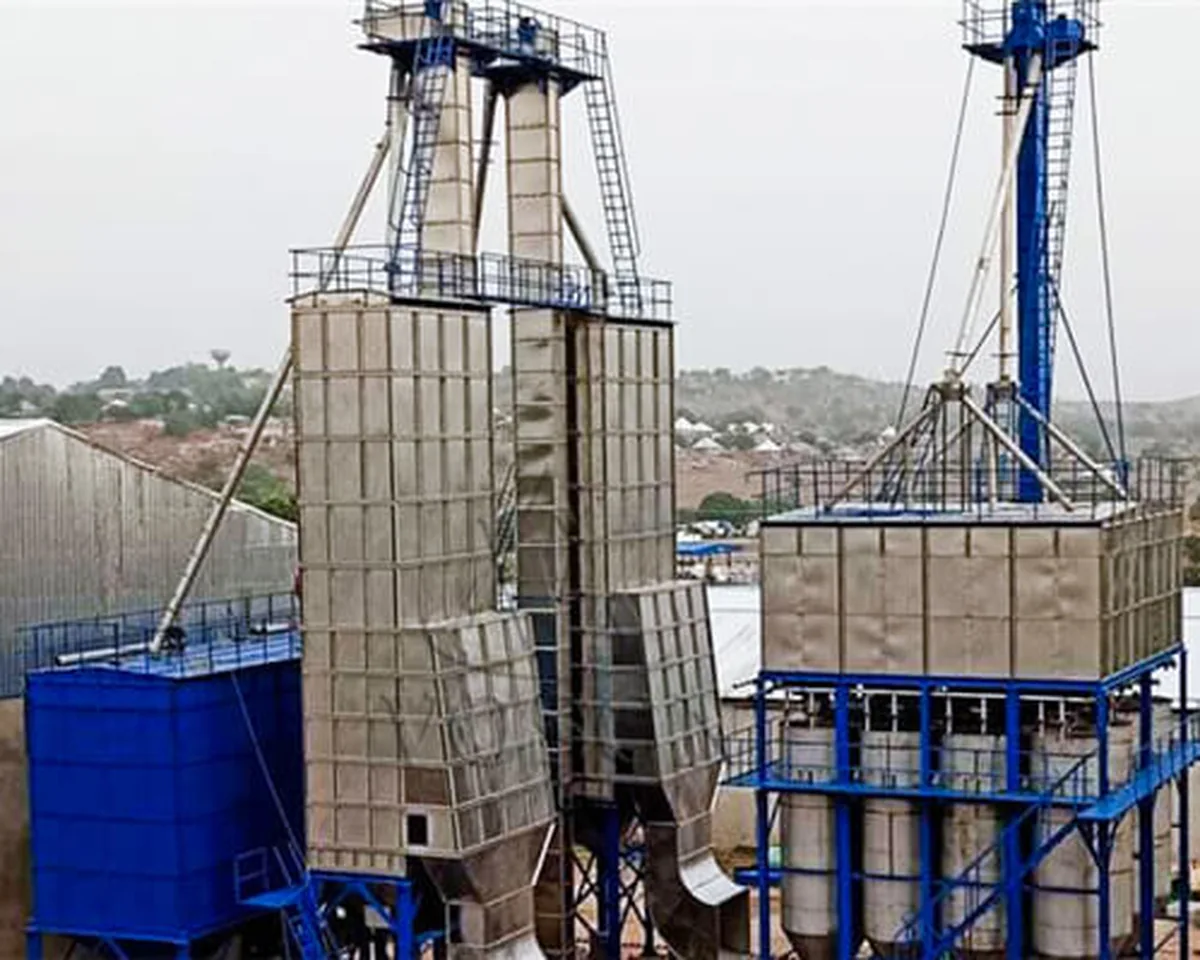
Parboiled rice mill project cost: the complete budget formula
A practical project estimate can be organized as: process equipment + heat and utilities + building and site work + delivery and import + installation and commissioning + startup reserve. The percentage represented by each part changes with the country, fuel source, automation level, building condition and supplier responsibility.
| Budget area | Typical scope | Evidence needed |
|---|---|---|
| Paddy receiving | Intake, pre-cleaning, conveying, weighing and storage | Receiving rate, impurity level, storage days and silo or warehouse plan |
| Parboiling section | Soaking tanks, steaming vessels, pumps, piping and controls | Batch size, cycle time, water requirement, steam pressure and temperature control |
| Boiler and drying | Boiler, fuel handling, dryer, fans, heat exchanger and emissions equipment | Fuel type, evaporation load, drying time, final moisture and local environmental rules |
| Rice milling | Cleaning, husking, separation, whitening, polishing and grading | Paddy input, expected output, head-rice target and finished quality standard |
| Sorting and packing | Color sorter, bins, scales, bagging, sewing and conveyors | Defect limit, bag sizes, packing speed and automation level |
| Project execution | Civil work, electrical system, freight, erection, commissioning and training | Responsibility matrix, local quotations, delivery term and acceptance plan |
Buyers can compare the main equipment groups through the paddy parboiling plant, grain dryer, rice mill plant and grain silo sections. These categories show why a complete parboiled project has a wider scope than a conventional dry-milling line.
Process scope that changes the plant price
Soaking and steaming design
The soaking temperature, batch size, cycle time and vessel arrangement affect tank volume, water circulation, pumps and control requirements. The steam system must match the production schedule rather than only the nameplate capacity of one vessel. Poor line balance here creates waiting time before drying and reduces the actual daily output.
Boiler, fuel and heat recovery
The boiler package may include fuel preparation, feed-water treatment, pumps, chimney, controls, insulation and safety equipment, or it may cover only the boiler body. Rice husk, biomass, gas and other fuels need different handling and emissions systems. Local fuel availability and environmental rules should be confirmed before the boiler is selected.
Drying capacity and moisture control
Drying is often the limiting stage in a parboiled line. The dryer must remove the required moisture without excessive cracking, uneven color or long holding times. Ask the supplier to state initial moisture, final moisture, ambient assumptions, batch or continuous operating method and expected drying time. A milling line sized above the real dryer output does not increase the plant's daily production.
Milling, sorting and packing
After drying and tempering, the paddy still needs a balanced milling flow. The target market determines whether the line requires polishing, length grading, color sorting and retail packing. These systems can materially change equipment cost, electrical load, compressed-air demand, building height and operator requirements.
How to compare parboiled rice mill quotations
Issue one written project brief to every supplier. It should define the same paddy data, capacity basis, product standard and site conditions. Then place each quotation into a comparison sheet and mark exclusions instead of relying on the final total.
| Comparison point | Questions to ask | Risk if unclear |
|---|---|---|
| Capacity basis | Is capacity paddy input or finished output? How many hours and batches per day? | The quoted plant may not meet the required daily production. |
| Equipment boundary | Are tanks, boiler, dryer, conveyors, platforms, controls and packing included? | A low quote can hide major later purchases. |
| Utility boundary | Who supplies transformer, cables, water treatment, compressed air and fuel handling? | Site infrastructure may be underbudgeted. |
| Performance test | What paddy, run time, output, moisture, yield and quality values will be recorded? | Acceptance becomes subjective after installation. |
| Delivery and installation | Which Incoterm applies, and who handles unloading, erection, travel and local labor? | Freight and startup costs appear after the order. |
| Service and spares | What is the warranty process, response method and first-year wear-parts package? | Early downtime becomes expensive and difficult to resolve. |
Construction cost and utility planning
The equipment supplier can provide layout dimensions, foundation loads, motor schedules and utility demand, but local contractors normally price the building and site work. A complete construction estimate should cover foundations, pits, drainage, wastewater handling, steel platforms, roof height, warehouse space, fire protection, roads and access for maintenance.
Parboiling also changes the utility plan. The site needs a dependable water source, drainage or treatment arrangement, boiler feed-water preparation, fuel storage and safe steam distribution. Electrical design should include the rice mill, dryer fans, pumps, color sorter, packing system, lighting and reasonable startup margins. The rice mill construction and factory setup guide provides a wider checklist for local quotations.
Operating cost and profitability assumptions
Project cost is only the entry budget. A business plan should model paddy purchase, fuel, electricity, water, labor, packaging, maintenance, spare parts, finance, transport and working capital. It should also state expected milling recovery and the sale or internal use of husk, bran and broken rice. Small changes in paddy price, yield or utilization can matter more than a modest difference in machinery price.
Build conservative, normal and strong operating cases. Each case should use local prices and a realistic ramp-up period rather than assuming full output from the first month. Compare the parboiled product premium with the additional fuel, water, drying and handling cost. The general rice mill project cost guide can be used to separate fixed investment from operating capital, while the mini parboiled rice mill cost guide helps buyers considering a smaller starting capacity.
Information needed for a reliable cost estimate
- Paddy variety, moisture, impurity level and typical harvest-season conditions.
- Required input or output capacity, operating hours, shifts and annual working days.
- Soaking method, steam source, available fuel and target parboiled-rice quality.
- Initial and final moisture, dryer preference and local temperature and humidity.
- Required milling recovery, whiteness, broken-rice limit, sorting and packing scope.
- Site country, voltage, water quality, building dimensions and environmental constraints.
- Delivery term, installation boundary, training needs and proposed acceptance standard.
Use the Rice Mill Project Planning Hub to organize these inputs before supplier comparison. For general reference on milling stages and operating principles, review the International Rice Research Institute Rice Knowledge Bank.
How VOSON prepares a parboiled plant estimate
Our review begins with the raw paddy, finished-product target and daily production requirement. We then balance soaking, steaming, drying and milling capacity; identify utilities and site responsibilities; and prepare the equipment list around one documented process flow. This method is designed to reveal missing scope before the buyer compares prices. A final proposal still depends on local civil, freight, import and operating data supplied by the project owner.
When the project information is ready, send the capacity basis, paddy data, product standard, site conditions and installation expectations through Contact.
Parboiled rice mill project cost FAQ
Is the boiler included in a parboiled rice mill price?
Not always. Some quotations include the full boiler package and fuel handling, while others include only parboiling vessels or exclude the steam system completely. The scope must be written into the equipment list.
Why is drying capacity critical?
Drying often controls the real daily output. Dryer size must follow the batch schedule, initial moisture, final moisture, weather assumptions and acceptable drying time.
Does machinery price equal total project cost?
No. The complete budget can also include the building, boiler utilities, transformer, freight, import charges, erection, commissioning, laboratory equipment, spare parts and working capital.
What makes two supplier quotations comparable?
Both suppliers must quote the same paddy input, finished-rice target, process flow, utility boundary, delivery term, installation responsibility and acceptance test.
What should be measured during commissioning?
Record paddy input, finished output, cycle time, moisture, milling recovery, broken rice, product color, utility consumption, motor load and downtime during an agreed test run.
How can a buyer request a more accurate estimate?
Provide local paddy data, capacity basis, fuel and water information, quality targets, site conditions, packing requirements and a clear division of supplier and local responsibilities.