
Parboiled Rice Mill Plant Price: Equipment and Utility Scope
When considering venturing into the rice milling industry, one crucial factor to evaluate is parboiled rice mill plant Price. This article aims to provide valuable insights into the key considerations affecting the price of such plants. By understanding these factors, you can make an informed investment decision for a profitable venture.
Factors Affecting Parboiled Rice Mill Plant Price:
- Plant Capacity: The capacity of the rice mill plant plays a pivotal role in determining its price. Higher-capacity plants tend to be more expensive due to their increased production capabilities. When estimating the required capacity, consider the projected demand for parboiled rice in your target market.
- Technology and Machinery: The type and quality of technology and machinery used in the rice mill plant significantly impact its price. Advanced automation, precision grading, and sorting equipment can enhance productivity and quality but may come at a higher cost. Analyze your budget and production requirements to strike the right balance between technology and investment.
- Customization and Configuration: Every rice mill plant is unique, and customization options can affect the overall price. Factors such as layout design, specific processing requirements, and additional features like packaging or storage facilities can contribute to the cost. Determine your specific needs and consult with suppliers to find the optimal configuration for your plant.
- Quality and Brand Reputation: The quality and reputation of the manufacturer or supplier can influence the price of the rice mill plant. Established brands with a track record of delivering reliable and efficient machinery may charge a premium. However, it is important to strike a balance between cost and quality, ensuring the long-term reliability and performance of the plant.
- Installation, Training, and After-Sales Support: Consider the services offered by the supplier beyond the equipment itself. Installation, operator training, and ongoing technical support are essential for the smooth functioning of the rice mill plant. Evaluate these aspects and inquire about the associated costs to have a comprehensive understanding of the overall investment.
Conclusion: Setting up a parboiled rice mill plant requires careful consideration of various factors, including plant capacity, technology, customization, quality, and support services. By thoroughly analyzing these aspects, you can determine the most suitable plant configuration within your budget. Remember, investing in a reliable and efficient rice mill plant is crucial for long-term success in the competitive rice industry.
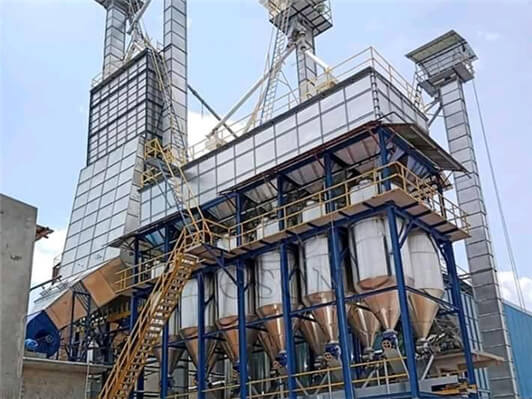
Parboiled rice mill plant price: define the process boundary first
A parboiled rice mill plant price is more complex than a white-rice milling line because it adds soaking, steaming, drying, fuel, water, and wastewater considerations. A useful quotation should separate parboiling equipment, milling equipment, utilities, civil works, installation, commissioning, and working capital.
| Price section | Typical scope | Buyer input needed |
|---|---|---|
| Soaking | Tanks, valves, water circulation, temperature control, and discharge. | Paddy variety, batch size, water source, and target soaking method. |
| Steaming | Steamer, boiler or steam source, pipes, controls, and safety devices. | Fuel type, local boiler rule, steam demand, and operator skill. |
| Drying | Dryer, hot-air system, tempering, fans, and moisture control. | Target moisture, climate, fuel, daily capacity, and storage plan. |
| Milling | Cleaning, husking, separating, whitening, polishing, grading, sorting, and packing. | Finished-rice quality, yield target, bag size, and market standard. |
| Utilities | Power, water, fuel, air, dust collection, drainage, and wastewater treatment. | Site utility capacity, local rates, and environmental requirements. |
| Project services | Layout, foundation, installation, training, trial run, and spare parts. | Destination, building limits, service expectation, and Incoterm. |
How to compare parboiled plant quotations
Compare the same paddy input, batch or continuous process, drying method, fuel, water requirements, milling quality, and installation boundary. For business-level planning, see the main parboiled rice mill project cost guide. For smaller projects, review mini parboiled rice mill project cost. For general plant budgeting, use the rice mill project cost checklist.
To request a realistic price, send paddy variety, target output, process preference, fuel, water, voltage, site country, finished-rice quality, and packing requirements through Contact.
Parboiled plant price FAQ
Why is a parboiled plant more expensive than a white-rice mill?
It adds soaking, steaming, drying, boiler or steam systems, water handling, fuel use, and more process control.
Should drying capacity match milling capacity?
Yes. If drying is too small, it becomes the bottleneck and can affect moisture stability and finished-rice quality.
What local costs should be checked?
Check fuel, water, power, boiler compliance, building, drainage, wastewater treatment, labor, and permits.
What should be included in the quotation?
Ask for process flow, equipment list, motor load, utility demand, layout, installation boundary, spare parts, and trial-run standard.