
Rice Sheller Plant: Process Flow, Machines and Layout Guide
Quick answer: A rice sheller plant is the complete shelling section that prepares paddy, removes husk, separates brown rice from unhusked paddy and returns the remaining paddy for another controlled hulling pass. It normally includes cleaning, rubber roller hullers, husk aspiration, paddy separation, elevators, chutes and controls. Buyers should compare the whole process boundary, not treat one sheller machine as a complete plant.
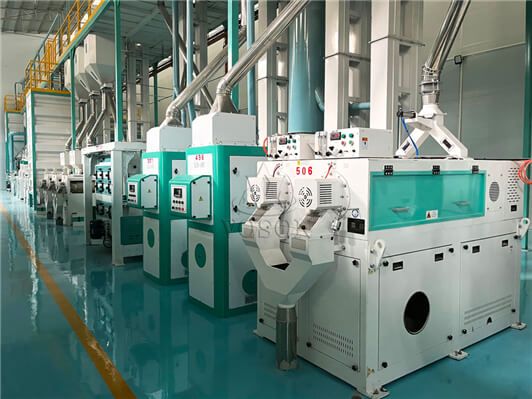
Rice sheller plant versus paddy sheller machine
A paddy sheller machine or huller performs the husk-removal step. A sheller plant connects that machine with paddy preparation, husk removal, separation, return flow and material handling. This distinction matters because quotations may use the word plant while supplying only the huller and motor.
| Scope item | Single sheller machine | Complete shelling section |
|---|---|---|
| Primary function | Remove husk from paddy | Prepare, husk, aspirate, separate and return paddy. |
| Typical equipment | Feed gate, rubber rollers, pressure control and motor | Cleaner, hullers, aspirator, separator, elevators, bins and controls. |
| Capacity evidence | Huller input, hulling result and broken-rice check | Balanced flow, return load, outlet purity and effective runtime. |
| Layout evidence | Machine footprint and service clearance | Elevations, platforms, ducts, chutes, return route and maintenance access. |
| Acceptance | Machine operation under agreed paddy conditions | Performance of the connected section from feed to brown-rice outlet. |
Rice sheller plant process flow
The normal sequence is paddy cleaning, husking, husk aspiration, paddy separation and brown-rice transfer. Unhusked paddy returns from the separator to the huller. The IRRI commercial milling reference describes this multi-stage route before whitening and polishing.
| Process stage | Equipment or function | Buyer evidence to request |
|---|---|---|
| Feed preparation | Paddy cleaner, magnet and destoner where required | Input impurity range, removal target and rated flow. |
| Husking | Rubber roller huller with controllable feed and pressure | Paddy condition, hulling result, broken-rice check and roller specification. |
| Husk aspiration | Air channel, fan, cyclone, ducts and husk discharge | Husk carryover, air boundary, dust collection and by-product route. |
| Paddy separation | Paddy separator machine | Paddy in brown rice, brown rice in return paddy and mixed fraction. |
| Return flow | Elevators, chutes, buffer and huller re-entry | Internal circulation load and stable feed back to the huller. |
| Brown-rice transfer | Outlet bin and conveying to whitening | Flow stability, contamination control and downstream connection. |
Use the rice processing unit guide when the project also includes whitening, polishing, grading, sorting and packing. This page stops at a well-defined brown-rice outlet so the shelling intent remains separate from a complete rice mill.
Define the capacity basis
Capacity should state paddy input per hour or per day, operating hours, moisture and impurity. It should not be confused with finished white-rice output because the shelling section removes husk and sends brown rice to later processes.
Return paddy creates internal circulation. The huller and elevators may handle more material than the net new paddy entering the section. Ask the supplier to show the assumed return load and confirm that cleaners, hullers, separators, elevators and bins use the same capacity basis.
Paddy cleaning before husking
Stones, metal, straw and other impurities can damage rollers, block feed and reduce stable hulling. Cleaning should be selected from actual paddy rather than added as a generic small screen. Request sample results, screen specification, aspiration scope and cleaning access.
Moisture and variety also influence hulling. Mixed paddy or unstable drying can cause uneven results even when the machinery is correctly adjusted. The acceptance trial should define the paddy used and how its condition is measured.
Rubber roller huller selection
Rubber rollers rotate at different peripheral speeds and remove husk through controlled friction. Feed rate, roller gap or pressure, speed relationship, paddy condition and roller wear all affect hulling and breakage.
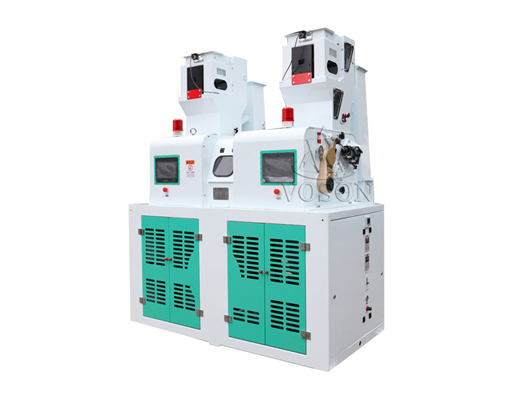
Ask for the roller size, changing method, pressure-control method, feed-control range and the expected spare strategy. The rice rubber roller guide covers the consumable separately, while the plant quotation should show how roller changes affect production and maintenance access.
Husk aspiration and dust control
After husking, loosened husk must be separated from brown rice and remaining paddy. Confirm whether the quotation includes the aspiration channel, fan, cyclone, airlock, ducting, supports and discharge route. A fan alone is not a complete husk-handling system.
Ask where husk will be collected, stored or transferred and how dust will be controlled. Local fire, dust, environmental and building requirements should be reviewed before construction. Airflow must be commissioned with the installed ducts, not only assumed from a catalog fan rating.
Paddy separation and return flow
The separator sends brown rice forward and unhusked paddy back to the huller. A double paddy separator may be considered when capacity, separation area or line configuration requires it, but the decision should be based on measured flow and outlet purity.
Take samples from both outlets. Record paddy remaining in brown rice, brown rice sent back with paddy, the mixed fraction and the return rate. High return load can indicate huller settings, paddy condition or separator adjustment rather than a need for a larger motor.
Line balance and material handling
Elevators, chutes and bins are part of plant capacity. Poor inlet distribution can make two hullers operate unevenly; a small return elevator can stop the entire section; an undersized brown-rice outlet can back up the separator.
The process drawing should show new paddy, husk, brown rice, return paddy and mixed material as separate routes. Ask the supplier to identify the expected bottleneck and normal operating load for every transfer device.
Layout and installation planning
Request a dimensioned layout with equipment elevations, foundations, platforms, stairs, ducts, chutes and maintenance clearances. Operators need safe access to rollers, feed gates, sampling points and separator settings. Maintenance teams need lifting and removal space.
Check building height, floor openings, equipment loads, motor voltage, cable routes, compressed air where used, aspiration and lighting. For a smaller capacity example, compare how the shelling section fits into a 2 TPH rice mill plant.
Controls and operator records
Useful controls keep feed stable, protect motors, monitor bin levels and alert operators to blockage or overload. They do not replace sampling or mechanical checks. Define which settings are automatic, which are manual and how the section restarts after an alarm or power interruption.
Record paddy condition, input, hulling result, broken rice, husk carryover, separator outlet purity, return load, motor load, downtime and roller changes. The modern rice milling machine guide explains how these records support wider process control.
Maintenance and spare-parts planning
Daily checks should cover feed stability, roller condition, unusual noise, vibration, aspiration, blockage and outlet samples. Scheduled maintenance should follow the supplier guidance for bearings, belts, drive parts, gates, deck mechanisms and fan components.
Review the paddy spare-parts range and request a part-numbered list for commissioning and planned operation. Critical rollers, belts, bearings, sensors and drive components should be selected from wear rate, lead time and seasonal production risk.
How to compare quotations
| Quotation document | Minimum content | Why it matters |
|---|---|---|
| Process flow | New paddy, husk, brown rice, return paddy and mixed fraction | Confirms the complete shelling boundary. |
| Equipment schedule | Model, quantity, capacity, motor and roller specification | Allows technical comparison on the same basis. |
| Layout and utilities | Dimensions, elevations, access, power, air and aspiration | Supports building and installation planning. |
| Scope matrix | Ducts, chutes, platforms, wiring, freight, erection and training | Prevents omitted local work and cost. |
| Spare-parts plan | Commissioning items, wear parts, quantities and lead times | Reduces seasonal downtime. |
| Acceptance protocol | Test paddy, runtime, capacity, hulling, breakage and outlet purity | Turns performance claims into measurable evidence. |
Acceptance testing
Agree on paddy variety, moisture, impurity, input point, effective runtime, allowed stops and sampling method before ordering. During the test, record input, hulling result, broken rice, husk carryover, separator outlet purity, return load, motor load and downtime causes.
Test safety guards, interlocks, alarms, aspiration, bin levels and restart procedures. Keep signed records and representative samples after the connected section has stabilized, not only after a short no-load run.
Information needed for a supplier-ready inquiry
Prepare paddy type and moisture, target input, shifts, existing machines, voltage, building dimensions, service expectations and destination. Browse the rice mill plant range and rice mill machine range to define the required boundary.
Use the Rice Mill Project Planning Hub, then send the process requirements, site drawing and installation scope through Contact for a capacity-matched proposal.
Rice sheller plant FAQ
What does a rice sheller plant include?
It normally includes paddy cleaning, rubber roller husking, husk aspiration, paddy separation, return conveying, brown-rice transfer and controls.
Is a rice sheller plant the same as a complete rice mill?
No. The sheller plant usually ends with brown rice. A complete mill also includes whitening, polishing, grading, sorting and packing.
Why is paddy returned to the huller?
Some paddy remains unhusked after one pass. The separator returns it for another controlled pass while brown rice moves forward.
What commonly limits shelling capacity?
Cleaning, huller feed, husk aspiration, paddy separation, return elevators, bins or unstable paddy can restrict the connected section.
What should be measured during acceptance?
Measure paddy input, effective runtime, hulling result, broken rice, husk carryover, separator outlet purity, return load and downtime.
What information is needed for a reliable quotation?
Provide paddy data, input capacity, shifts, voltage, building limits, existing equipment, aspiration boundary, service scope and destination.