
3 TPH Rice Mill Budget Worksheet: Estimate Every Cost
Quick answer: A 3 TPH rice mill budget worksheet should separate supplier equipment, local site work, utilities, logistics, installation and startup cash. Define the capacity and product specification first, enter dated evidence for each cost row, and keep assumptions visible. This page is a calculation tool; the 3 ton rice mill project cost guide is the primary page for project scope and price intent.
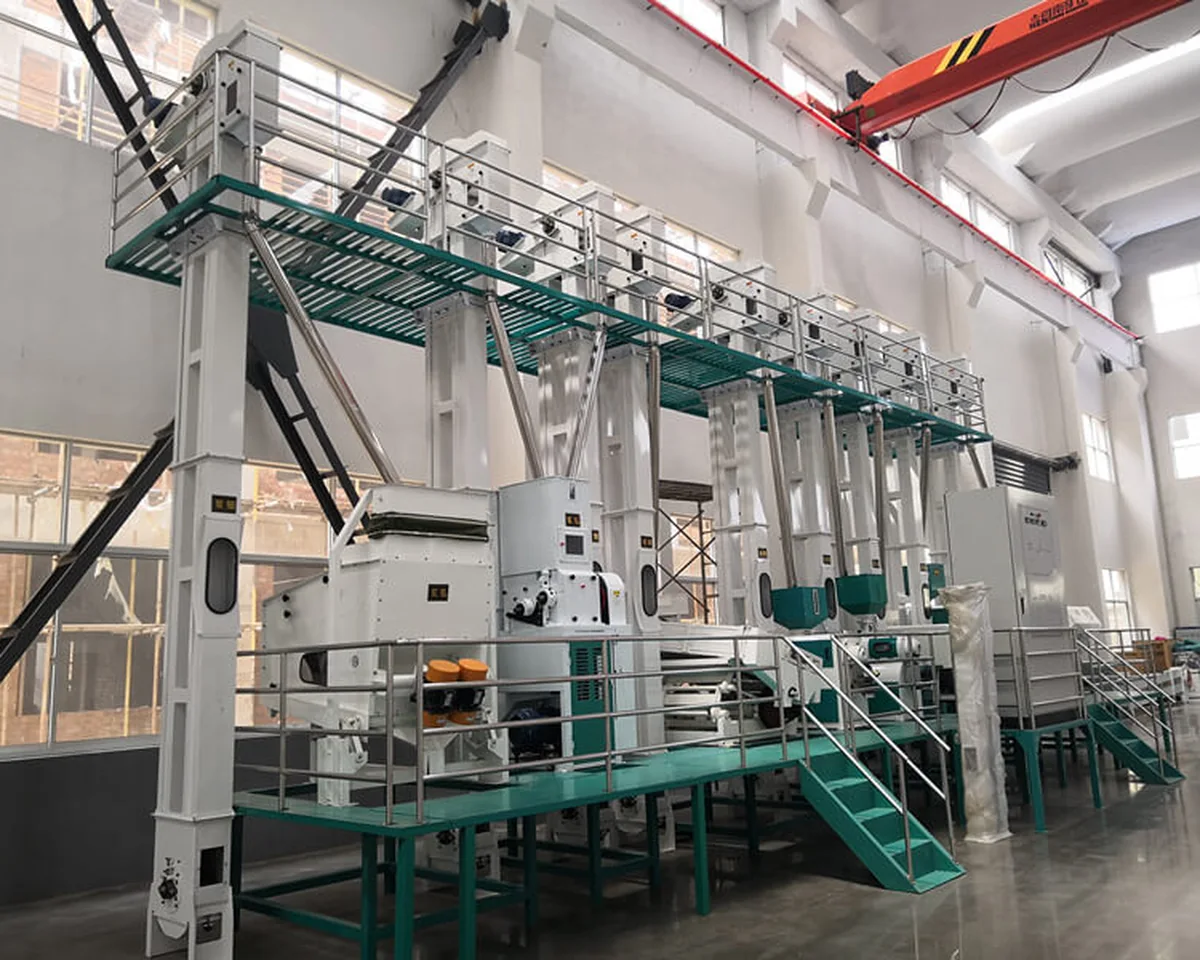
Step 1: lock the capacity and product basis
Write down whether 3 TPH refers to paddy input or finished-rice output. Record paddy condition, operating hours, finished-rice grades, packing formats and expected test conditions. Do not compare a three-ton-per-day business case with a three-ton-per-hour machinery line.
The worksheet should keep these design inputs above the cost table. When an assumption changes, flag the equipment, building, utility and cash-flow rows that must be recalculated.
Step 2: build the complete budget worksheet
| Worksheet section | Input rows | Evidence owner |
|---|---|---|
| Machinery | Models, quantities, motors, controls, auxiliaries, spares and warranty scope | Equipment supplier |
| Civil work | Building, foundations, pits, steelwork, drainage, roads and storage | Local designer and contractor |
| Utilities | Transformer, generator, cables, air, water, dust collection and lighting | Supplier load list and local utility contractor |
| Logistics | Freight, insurance, duty, handling, inland transport, unloading and storage | Forwarder, broker and buyer |
| Installation | Local labor, lifting, supervision, travel, accommodation and trial material | Supplier and local installer |
| Startup cash | Paddy stock, bags, payroll, energy, maintenance and receivables | Buyer operating plan |
Step 3: attach one equipment schedule to the budget
The machinery subtotal is meaningful only when it connects to a process flow and model schedule. Include cleaners, destoners, hullers, paddy separators, whiteners, polishers, graders, color sorters and packing machines selected for the product specification.
| Schedule field | What to record | Why it matters |
|---|---|---|
| Capacity | Paddy input, finished output and test condition | Prevents differently sized offers from sharing one label |
| Quantity and model | Every main machine and auxiliary unit | Exposes omitted or undersized sections |
| Power and utility | Motor, air, water and dust-control demand | Supports transformer and utility estimates |
| Supplier boundary | Included cables, platforms, bins, ducts and controls | Assigns interfaces before installation |
| Acceptance value | Throughput, recovery, grade and quality measurement | Links budget approval to measurable performance |
Step 4: collect local quotations separately
Ask local contractors for building, foundations, power distribution, unloading, lifting and labor estimates based on the current layout. Record quote date, currency, validity and exclusions. Do not bury local work inside an unsupported global percentage of machinery price.
Use the rice mill construction and factory setup guide to check building and site interfaces. If the layout changes, request updated quantities rather than carrying an old lump sum into the next budget version.
Step 5: schedule payments and startup cash
Add expected payment dates for deposit, production milestone, shipment, freight, customs, construction, installation and commissioning. A project can be affordable in total but still face a funding gap when several payments fall in the same month.
Keep working capital outside fixed investment. Paddy inventory, packaging, payroll, utilities and customer payment terms affect the cash required for the first operating cycle. Treat revenue and margin as buyer assumptions, not supplier guarantees.
Step 6: compare quotations on the same boundary
Give each supplier the same input sheet, then align the offers row by row. Mark every exclusion and provisional allowance. A lower total is not automatically better when it excludes elevators, platforms, controls, spare parts, commissioning or performance testing.
Use the same process for a different capacity with the 4 ton rice mill project budget guide. The method is reusable, but equipment quantities and site requirements must be recalculated rather than scaled by a simple ratio.
Step 7: keep a dated decision record
At each revision, retain the previous version, source quotation and reason for change. Mark estimates as budgetary, quoted or contracted. This creates an audit trail for exchange-rate changes, revised freight, optional equipment and site-design decisions.
For the wider planning sequence, use the Rice Mill Project Planning Hub. Send the completed input sheet, paddy data, site drawing and destination through Contact. The International Rice Research Institute Rice Knowledge Bank provides independent background on milling stages used when checking a process flow.
Step 8: run a sensitivity check instead of scaling one price
Create separate worksheet cases for the base process, required options and future expansion. Change one assumption at a time: capacity basis, color sorting, packing automation, operating hours, freight, exchange rate or local construction. Record which budget rows move and why. This is more useful than multiplying a machinery subtotal by a universal percentage.
Equipment and site costs do not all scale in the same way. A different bag size may require another packer without changing the huller; an added color sorter can affect compressed air, elevation and building space; higher seasonal intake may change storage and drying even when milling capacity stays at 3 TPH. The sensitivity sheet should preserve these dependencies.
Step 9: distinguish allowances from firm quotations
Use a status column for each row: design assumption, budget allowance, supplier quotation, local quotation or contracted amount. Add the owner, source document, date, validity and tax treatment. A row without evidence should remain visibly provisional, especially for freight, duty, civil work and utilities.
Do not sum values in different currencies without recording the exchange rate and conversion date. Keep tax, finance cost and contingency in separate lines so management can see what is part of the physical project and what belongs to the funding plan. Update the total only after the underlying rows have been reviewed.
Step 10: connect the worksheet to technical approval
Before the budget is released for purchase, check that the process flow, model schedule, layout, motor list and responsibility matrix use the same revision. Resolve differences between the commercial offer and technical documents. The approved worksheet should identify optional equipment, exclusions and acceptance values rather than relying on sales descriptions.
During shipment and installation, compare invoices and change orders with the approved rows. After commissioning, close the worksheet with actual logistics, site and startup costs. That record improves future capacity comparisons without presenting one project's result as a universal 3 TPH price.
3 TPH rice mill budget worksheet FAQ
What is the first input in a 3 TPH rice mill budget?
Define whether 3 TPH means paddy input or finished-rice output, then record operating hours, paddy condition and the required finished-rice grades.
Should the worksheet separate local and imported costs?
Yes. Keep supplier equipment, international logistics and local civil, utility and labor quotations in separate rows with their own dates and currencies.
Should land be included in the worksheet?
Record land purchase or lease separately because it depends on the site and is not part of the machinery quotation.
How should contingency be handled?
Show contingency as a visible budget line tied to estimate maturity. Do not hide uncertainty by inflating unrelated equipment rows.
Does the budget include working capital?
It should include a separate startup cash plan for paddy inventory, packaging, payroll, utilities, maintenance and the first sales cycle.
When should the worksheet be updated?
Update it after process approval, supplier quotation, site design, freight booking, installation planning and commissioning so each decision uses current evidence.