
Mini Rice Mill Project Cost: Small Plant Budget Method
Rice is one of the most popular and profitable crops in the world, especially in developing countries. However, rice production and processing also require a lot of investment and resources, which can be a challenge for small-scale farmers and entrepreneurs. That’s why a mini rice mill project can be a viable and attractive option for them.Learn how much a mini rice mill project cost and how to estimate and minimize it. Find out the factors and tips that affect the cost of a mini rice mill project.
What is a mini rice mill project?
A mini rice mill project is a small-scale rice processing business that can produce high-quality rice from paddy. It usually consists of a mini rice mill machine, a paddy cleaner, a de-stoner, a husker, a separator, a whitener, a polisher, a grader, and a packing machine. It can process 0.5 to 2 tons of paddy per hour, depending on the model and configuration.
How much does a project cost?
The cost of a mini rice mill project varies depending on several factors, such as:
- The capacity and features of the machine. The more functions and options the machine has, the higher the cost will be. For example, a machine that can polish, grade, and pack rice will cost more than a machine that can only husk and whiten rice.
- The quality and brand of the machine. The better the quality and reputation of the machine, the higher the cost will be. You should look for a machine that is durable, efficient, reliable, and easy to operate and maintain.
- The location and supplier of the machine. The cost of a mini rice mill machine may differ depending on where you buy it and who you buy it from. You should compare the prices and offers from different manufacturers and suppliers, both online and offline.
- The raw materials and utilities. The cost of paddy, water, electricity, fuel, labor, and other inputs may vary depending on the availability and quality of these resources in your area. You should calculate the operating costs and overheads of your mini rice mill project accordingly.
How to minimize the cost of a mini rice mill project?
To minimize the cost of a mini rice mill project, you should consider the following tips:
- Do your research. You should do some market research and find out the demand and competition for rice in your area. You should also check the government policies and regulations regarding rice production and processing in your country.
- Plan your budget. You should prepare a detailed business plan and financial projection for your mini rice mill project. You should also look for funding sources and financing options that suit your needs and capabilities.
- Optimize your process. You should optimize your mini rice mill project by choosing the best machine, raw materials, utilities, and methods for your situation. You should also monitor and evaluate your performance and results regularly.
A mini rice mill project can be a profitable and sustainable business for anyone who wants to enter the rice industry. However, you should also consider the cost of the project, and how to estimate and minimize it. If you need any help or guidance with your mini rice mill project cost, contact us today for more information and assistance.
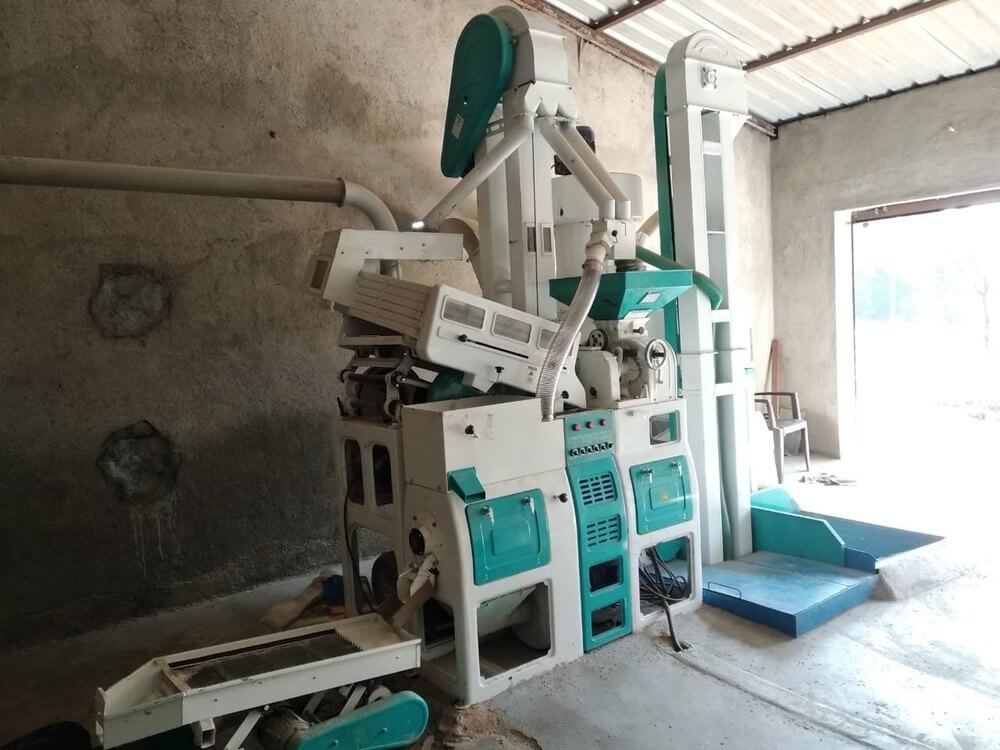
Mini rice mill project cost: keep the scope practical
A mini rice mill project cost should focus on the smallest process flow that can meet the local market quality. Reducing cost works when the buyer removes non-essential options, not when essential cleaning, husking, milling stability, or spare-parts support is weakened.
| Budget choice | Lower-cost approach | Risk to avoid |
|---|---|---|
| Capacity | Choose realistic hourly output based on paddy supply and sales volume. | Buying a line that is too large for raw material supply. |
| Process flow | Start with cleaning, husking, separation, milling, grading, and simple packing. | Skipping cleaning or separation and losing yield. |
| Building | Use an existing suitable building if height, floor, power, and access are adequate. | Ignoring maintenance space, dust control, and truck movement. |
| Automation | Add automation only where it reduces labor or quality risk. | Adding systems that local staff cannot maintain. |
| Working capital | Budget paddy, bags, wages, power, spares, and receivable days. | Spending all cash on equipment and lacking operating funds. |
For small-capacity planning, compare the 1 TPH rice mill plant guide. For a full project budget structure, use the main rice mill project cost page.
Mini rice mill cost FAQ
What is the safest way to reduce mini rice mill cost?
Keep the essential process flow, choose a realistic capacity, use a suitable existing building, and avoid upgrades that the market does not pay for.
Should a mini plant include color sorting?
Only when the local market pays for sorted rice and the plant has enough output to use the sorter efficiently.
What should not be removed from the budget?
Do not remove basic cleaning, safe electrical work, operator training, essential spare parts, or the working capital needed for paddy and packaging.