
Rice Mill Project Cost: Complete Setup Budget Checklist
Quick answer: Rice mill project cost is the complete budget required to move from an approved process concept to stable production. It normally includes process machinery, land and building work, electrical and utility systems, freight and import charges, installation, commissioning, initial spare parts and working capital. A machinery quotation alone is not the total project cost, and no global fixed price is reliable without capacity, paddy, product, site and delivery assumptions.
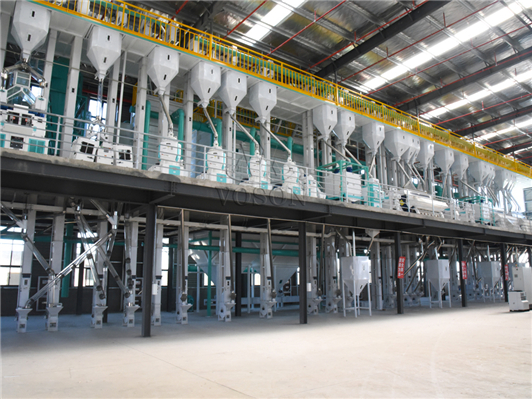
Rice mill project cost breakdown
Build the estimate in separate cost centers so quotations can be updated without hiding missing scope. Record the source, currency, date and assumptions for every number. Equipment values can come from the machinery supplier, while civil work, power connection, local transport and permits usually require local quotations.
| Budget section | Typical items | Evidence required |
|---|---|---|
| Process machinery | Cleaning, husking, separation, whitening, polishing, grading, sorting, conveying and packing | Process flow, model list, capacity basis, motors and quotation scope |
| Building and site | Foundations, pits, floor, structure, platforms, warehouse, roads and drainage | Dimensioned layout, equipment loads, quantities and contractor quote |
| Power and utilities | Transformer, panels, cables, generator, compressed air, water, ventilation and dust collection | Motor schedule, utility demand, local tariff and infrastructure quotes |
| Delivery and import | Export packing, inland transport, freight, insurance, customs, unloading and destination delivery | Incoterm, packing list, freight quote and import calculation |
| Installation and startup | Erection, wiring, commissioning, training, trial paddy, tools and laboratory checks | Responsibility matrix, schedule and acceptance-test plan |
| Operating reserve | Spare parts, packaging, paddy stock, payroll, utilities, maintenance and customer credit | Ramp-up plan and local operating assumptions |
Define capacity before calculating cost
Capacity should state whether it means paddy input or finished-rice output, and whether the period is hourly or daily. Also record operating hours per shift, shifts per day and annual working days. A 3 TPH paddy-input line is not equivalent to three tons of finished rice per hour because husk, bran, broken rice and process losses leave the main product stream.
Paddy variety, moisture, impurities and required finished quality affect equipment selection. A project targeting retail or export rice may need polishing, precise grading, color sorting and automatic packing, while a bulk market may use a simpler configuration. Cost comparison must begin with one written product and capacity definition.
Machinery and equipment scope
A complete equipment quotation should connect every stage from intake to packing. Check the cleaner, destoner, huller, paddy separator, whitener, polisher, grader, color sorter, weighing and packing system. Elevators, conveyors, bins, platforms, aspiration, dust collection and controls should appear in the model list rather than being assumed.
Compare the rice mill machine range and complete rice mill plant configurations when developing the process flow. Optional machines should be separated so the buyer can compare a basic, commercial-quality and retail-ready case.
Land, building and site preparation
Land cost varies by location and should be shown separately from the building. Civil work can include soil preparation, foundations, pits, drainage, floor slabs, steel structure, roof, warehouse, office, laboratory, fire protection, access roads and space for husk and bran. Local regulations, materials, labor rates and ground conditions make copied international building estimates unreliable.
The supplier should provide layout dimensions, connection heights, foundation loads and maintenance clearances. Local contractors can then price the actual quantities. Use the rice mill construction and factory setup guide for a detailed site checklist.
Electrical systems and utilities
Use the final motor schedule to calculate transformer capacity, generator backup, distribution panels, cables and power-factor requirements. Include elevators, fans, compressors, color sorters, packers, lighting, office and laboratory loads. Check local voltage and frequency before the equipment order.
Utilities can also include compressed air, process water, dust collection and ventilation. Parboiled projects add soaking, steam, boiler, fuel handling and drying requirements, so they should not be estimated from a conventional dry-milling line.
Freight, import and destination delivery
Confirm the Incoterm and named location before using a shipping value. A complete logistics budget may include factory-to-port transport, export packing, ocean freight, insurance, destination charges, customs duties, inspection, inland delivery, unloading and temporary storage. Request a preliminary packing list with weights and volumes when asking for a freight quotation.
Record exchange rates and quotation validity dates. Freight and currency can change between budgeting and shipment, so keep a visible contingency instead of hiding uncertainty in the machinery subtotal.
Installation, commissioning and acceptance
A responsibility matrix should identify who supplies foundations, platforms, cables, air pipes, local labor, lifting equipment, tools, travel, accommodation and trial material. Installation supervision and full turnkey erection are different services and should not be treated as the same price.
The acceptance plan should state paddy condition, test duration, throughput, milling recovery, broken-rice limit, finished quality, motor load and allowed downtime. Keep input and output samples with the test record. Training should cover startup, adjustment, cleaning, safety, routine maintenance and spare-parts replacement.
Capacity-specific planning guides
| Project type | Planning focus | Related guide |
|---|---|---|
| 1 ton project | Compact equipment scope, simple building and limited startup team | 1 ton rice mill cost guide |
| 3 ton project | Installed budget, utility boundary and working-capital worksheet | 3 ton rice mill project cost |
| 4 ton project | Line balance, automation options and larger site requirements | 4 ton rice mill project cost |
| 100 ton project | Daily-capacity basis, industrial utilities, storage and commissioning | 100 ton rice mill project cost |
| Parboiled project | Soaking, steam, boiler, drying, water and environmental systems | parboiled rice mill project cost |
Working capital and operating assumptions
Fixed investment is only part of the financing requirement. Working capital may cover paddy inventory, packaging, payroll, utilities, maintenance, transport and customer credit during the ramp-up period. Build conservative, normal and strong cases using local paddy prices, milling recovery, utilization, by-product revenue and finished-rice selling prices.
Track husk, bran and broken-rice income separately. A small change in paddy purchase cost or head-rice yield can affect profitability more than a modest machinery-price difference. Avoid assuming full production from the first month.
How to compare project quotations
Give every supplier the same capacity basis, paddy information, finished-product standard and delivery destination. Then compare the process flow, model list, motors, auxiliary systems, spare parts, documentation, freight term, installation boundary, test method and warranty. Mark every exclusion in a single comparison sheet.
A low total may omit conveyors, controls, packing, dust collection, freight or installation. The purpose of comparison is not to make all suppliers look identical; it is to understand exactly which project each supplier has priced.
How VOSON prepares a project estimate
Our review starts with raw paddy, finished-product requirements, capacity and operating schedule. We build the process flow and equipment list, then identify building loads, utilities, delivery, installation and acceptance responsibilities. Local civil, import and operating costs remain visible so the buyer can update them without changing the machinery design.
Use the Rice Mill Project Planning Hub to organize the full workflow, or send paddy data, output target, site country, voltage, building limits and delivery expectations through Contact. For independent background on milling stages, consult the International Rice Research Institute Rice Knowledge Bank.
Rice mill project cost FAQ
Is machinery price the same as total project cost?
No. Total project cost can also include land, construction, utilities, freight, import charges, installation, commissioning, spare parts and working capital.
Why do two rice mill quotations differ so much?
They may use different capacity definitions, process stages, component standards, delivery terms, auxiliary systems and installation responsibilities.
Should civil work be included in the supplier price?
The equipment supplier can provide layouts and loads, but local contractors usually price civil work because labor, materials, codes and ground conditions vary.
What information is needed for a reliable estimate?
Provide paddy condition, input or output capacity, quality target, packing, operating schedule, voltage, site, building limits, destination and installation expectations.
Should working capital be included?
Yes. Paddy stock, packaging, payroll, utilities and customer payment terms can require substantial cash beyond fixed investment.
How should a buyer control budget risk?
Record assumptions, currencies and validity dates; obtain local quotations; mark exclusions; keep a visible contingency; and update the worksheet at each project milestone.