Rice Rubber Roller: Huller Spare Parts Buyer Guide
The rice rubber roller should be constructed of a durable material that can be selected for its oil and resistance properties. This gives a better yield and output of the material processed. A compounded rubber material provides
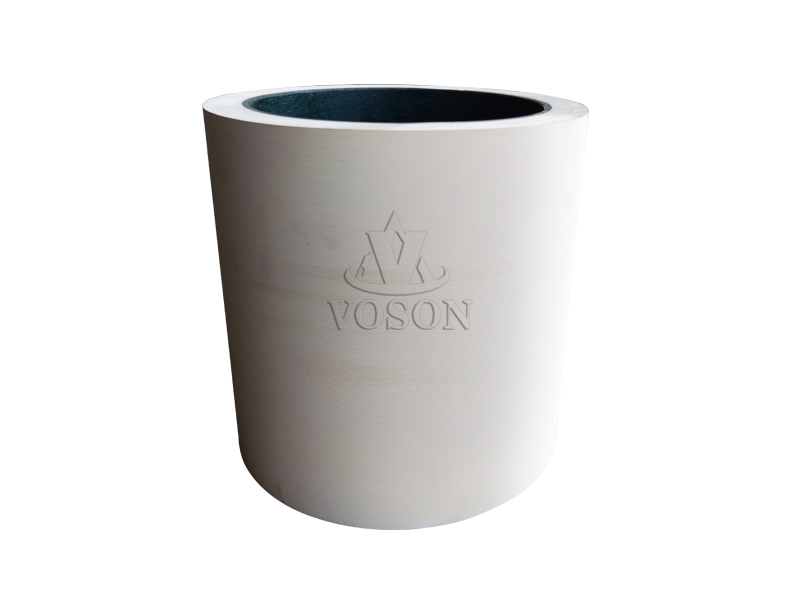
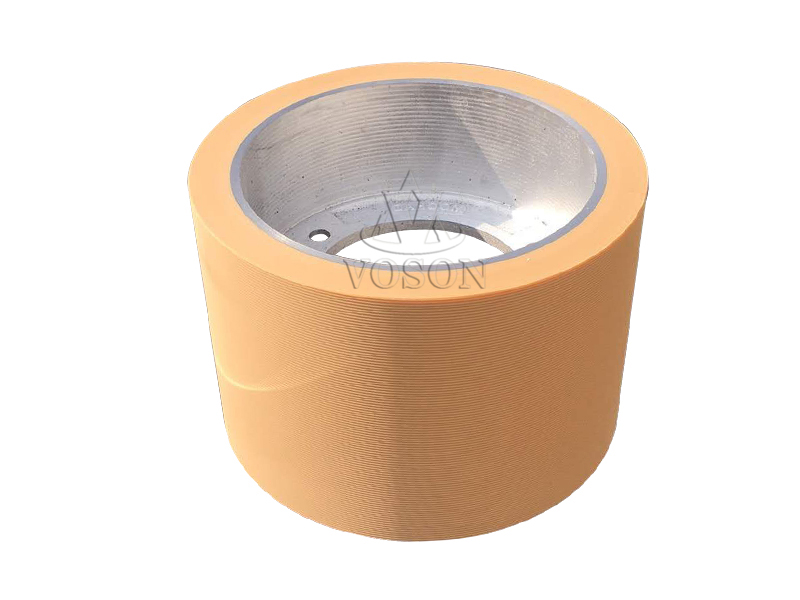
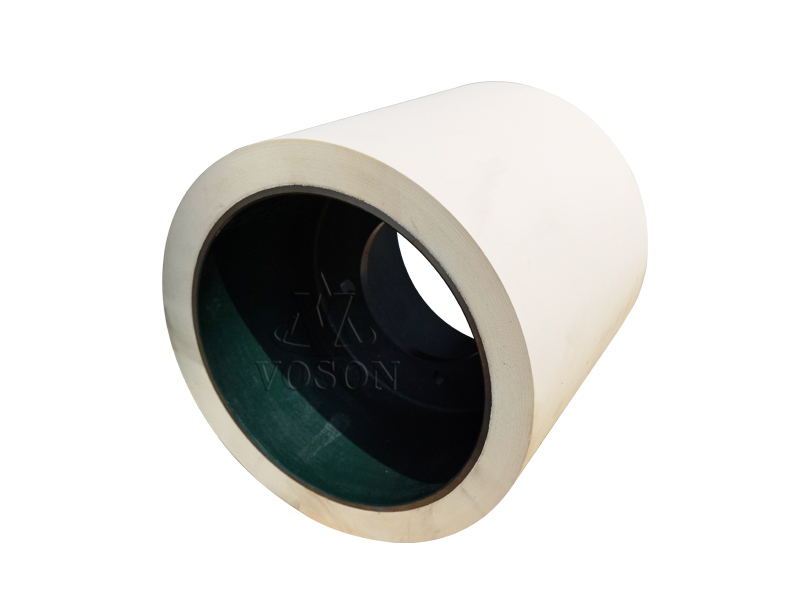
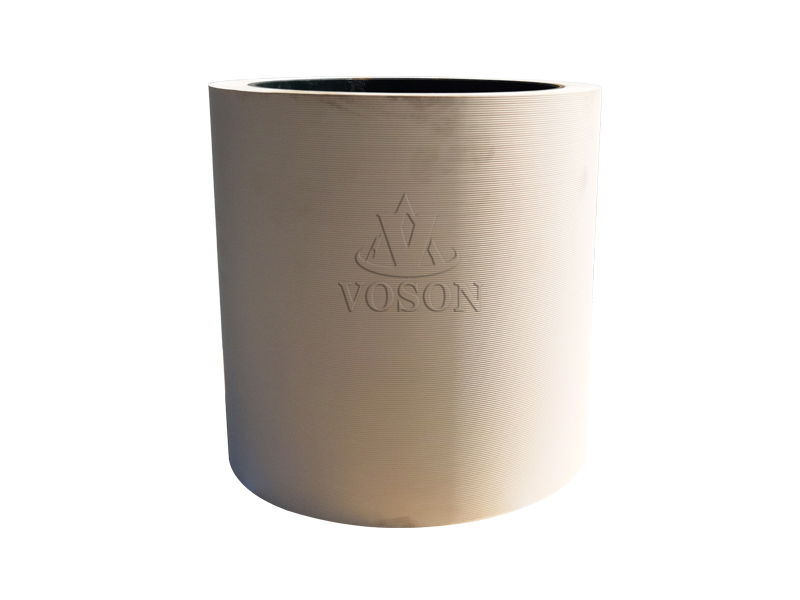
Rice Rubber Roller is used in the rice mill process for separating husk from rice. We are among the top rice rubber roller manufacturer in China. We are making all types of paddy dehusking rubber roll for rice husker.
The rice rubber roller should be constructed of a durable material that can be selected for its oil and resistance properties. This gives a better yield and output of the material processed. A compounded rubber material provides
Rice rubber roller: why it matters in husking
A rice rubber roller is a key wear part in a rubber roller huller. Two rollers rotate at different speeds to remove husk from paddy. Roller quality, pressure, alignment and operating settings directly affect hulling rate, broken rice, downtime and spare-parts cost.
Buyer check
What to confirm
Why it matters
Size and model
Roller diameter, length, shaft or mounting type and huller compatibility.
Prevents ordering rollers that do not fit the machine.
Hardness
Rubber hardness matched to paddy variety and operating condition.
Affects hulling performance, wear life and broken rice.
Hulling rate
Expected shelling result under stated paddy moisture and settings.
Shows real operating value rather than only roller price.
Wear life
Estimated service life, storage conditions and replacement schedule.
Supports spare-parts planning during harvest season.
Operation
Roller pressure, feed rate, speed difference and cooling.
Improves yield and reduces premature wear.
Stock plan
Minimum spare quantity for the mill capacity and operating hours.
Reduces production stops caused by consumable shortage.
How to reduce rubber roller cost per ton
The lowest roller price is not always the lowest cost per ton. Buyers should track paddy processed per roller set, hulling rate, broken rice, adjustment time and replacement frequency. Match rollers with the rubber roller huller, paddy sheller machine and paddy separator so the full husking section stays balanced.
For spare-parts planning, send huller model, roller size, paddy variety, moisture, operating hours and required stock quantity through Contact.
Rice rubber roller FAQ
How do I choose the correct rubber roller size?
Check the huller model, roller diameter, length, shaft or mounting type, and supplier part specification.
Why do rollers wear quickly?
High pressure, poor alignment, hard paddy, stones, uneven feed, moisture issues and wrong settings can shorten roller life.
Should rollers be bought in pairs?
In most cases, mills manage rollers as matched consumables to keep hulling stable and reduce uneven wear.
How should rollers be stored?
Store them away from sunlight, heat, oil and moisture, and rotate stock so older rollers are used first.
Plan this machine inside a complete rice mill project
Rice rubber rollers should be purchased as part of a spare-parts plan because roller wear affects husking rate, broken rice and daily downtime. Use the resources below to compare equipment with project cost, layout, automation and quotation scope.